Finishing up the Jeju Island trip photos series (part 1 and part 2 are available here) with some of the other sites available on the island.
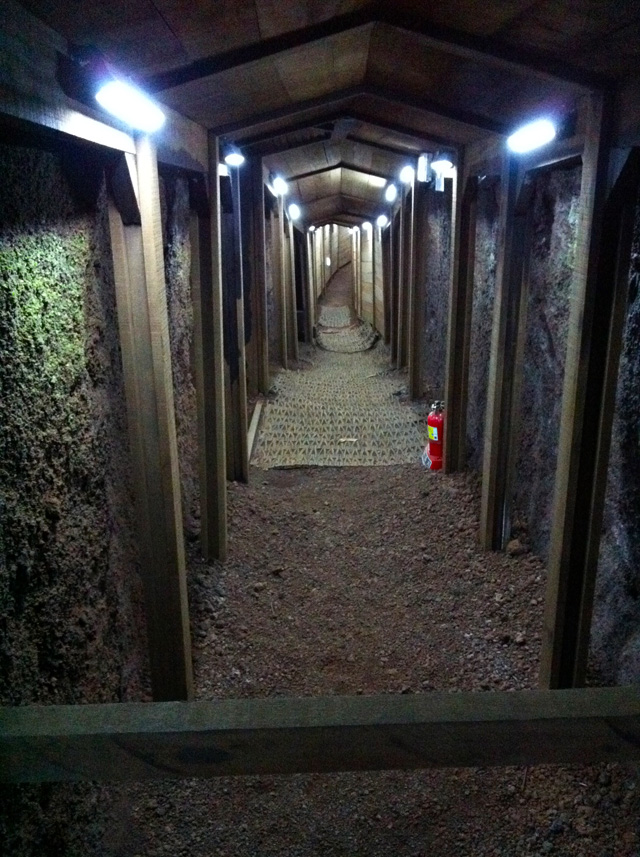
While Jeju Island is generally marketed (effectively) as a resort island, the island has a rich and deeply moving history. One facet of this history is Jeju's prominence in the Pacific theater of World War II, since its proximity to the Japanese mainland made it a likely last stop on the Allies island-hopping campaign to end the war. Japan created an elaborate sequence of tunnels and fortifications on Jeju Island to protect against this invasion, mostly using Korean slave labor to build it. Korea had been annexed by Japan decades before in 1910, but the needs of the war dramatically increased the pressures on the colony to produce more raw material and manual labor. Like much of the rest of the Japanese empire during this time, there were numerous atrocities (something I also noticed in my recent trip to Singapore).
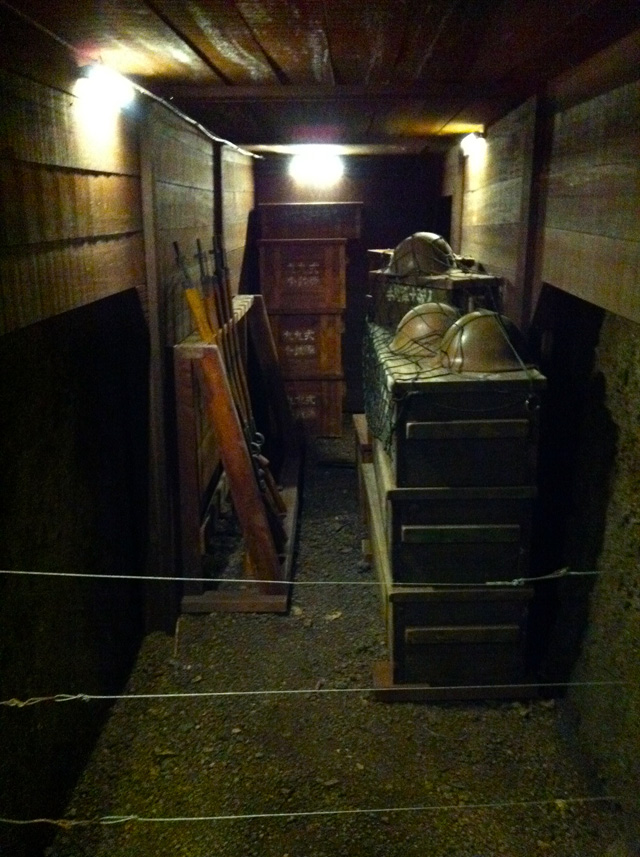
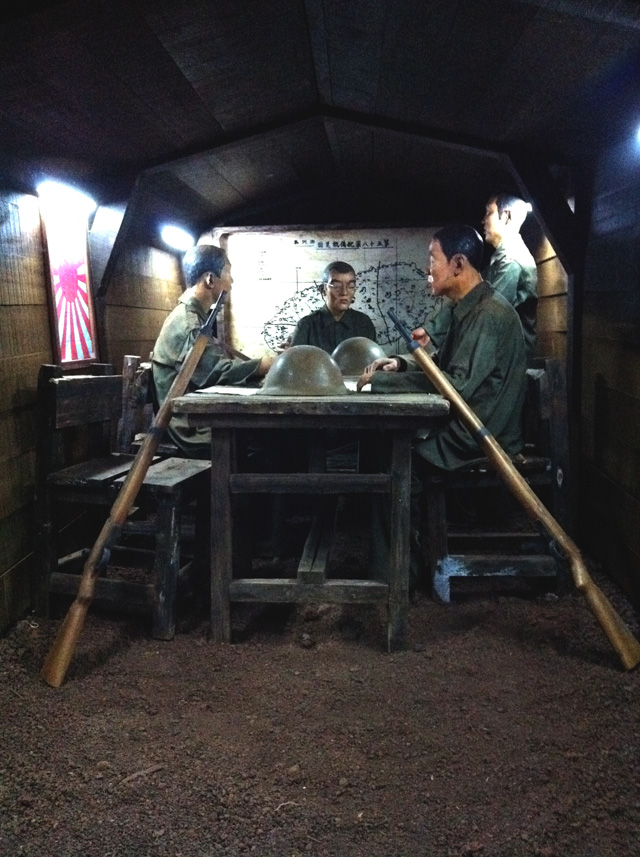
I visited one of these Japanese barracks on the island. The taxi driver was a little surprised, because no one had ever requested to see the exhibits (he ended up coming in with me since he had never been there himself). The following are scenes from that underground tunnel and fortification system.
The tunnels below Jeju for Japanese infantrymenA weapons storage site below groundThe wardroom with (obviously) fake Japanese soldiers and officers
Jeju Island originated from volcanoes, and one of the most beautiful vistas available to the traveler is at Sunrise Peak (성산 일출봉 - Seongsan Ilchubong). The mountain is located on the east side of the island, and if you come early enough, you can watch the sunrise begin to arrive over the ocean. The volcanic history of the mountain
As with many of our society's institutions, charities have increased in their complexity and sophistication over the past few decades in response to better research and new approaches to donor engagement. One needs only to look at the most recent scandal of Kony2012 to understand the very different environment we live in for those who wish to do well (for an excellent take down of the Kony2012 campaign, see Stanford Alumnus Michael Wilkerson's piece at Foreign Policy). Indeed, there is now a whole cottage industry that has developed to bring some measure of transparency to charitable giving (for instance, my friend Alex works at one organization called GiveWell, but others exist like Charity Navigator).
This continual transformation of charities is the backdrop for my fears related to the most recent push to donate to Stanford. I have previously written at Fiat Lux about my concern that the Senior Gift campaign wasn't sustainable, since one-off funds are not all that useful in the context of higher education financing. Now, there is a new push to donate again to the Stanford Fund [purposeful lowercase of the "the" intended] in a battle of the classes format to see which class can get to 100 donors fastest.
Why am I fearful of donating? Because I am worried that by doing so, I am merely encouraging the sort of cynicism-producing activities that made me fearful in the first place.
Let me illustrate the different facets of my concern. When I was attending Stanford and participating in activities, we used to write thank you letters to donors. Makes sense. But these letters weren't allowed to just be custom written, or "from the heart." Instead, they had to match the Development Office's very specific guidelines on
Jeju Island looks like a perfect ellipse with a mountain at its center, and this is no accident. The island formed from a volcano, and this background has created a home for some of the most beautiful geological phenomena I have ever witnessed.
(This post is part of a continuing series. For the last article, click here).
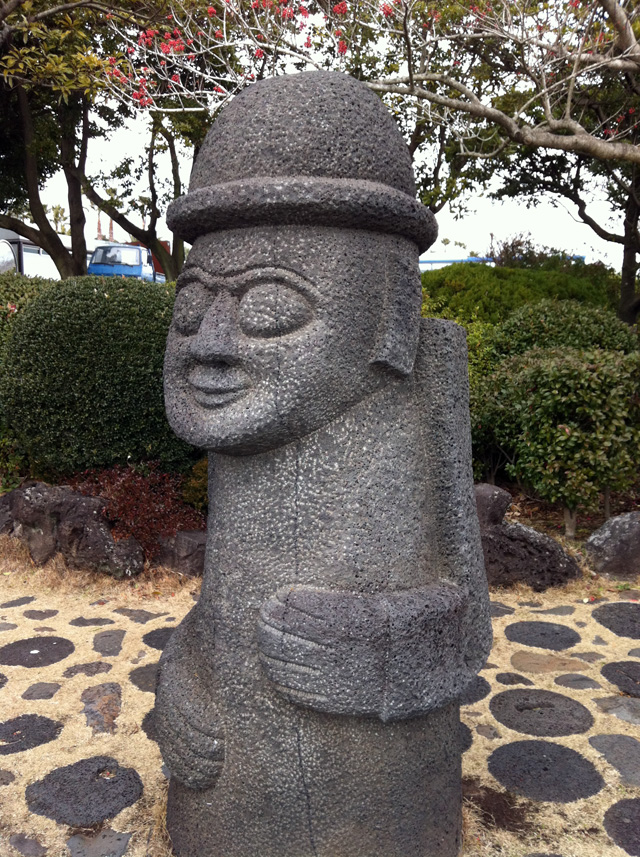
One of the first sights for many visitors to Jeju is the unique statuary that was created by the indigenous civilization on the island. While Jeju is and has been part of Korea, the distance of the island from the mainland Korean peninsula allowed the local culture to develop relatively independently, and thus the local dialect and food is quite distinct from other regions of Korea. These statues are made from the local volcanic rock available on the island. The actual character depicted is typical for this type of statuary, and has symbolic meaning.
An example of the unique statues that cover the entire island.
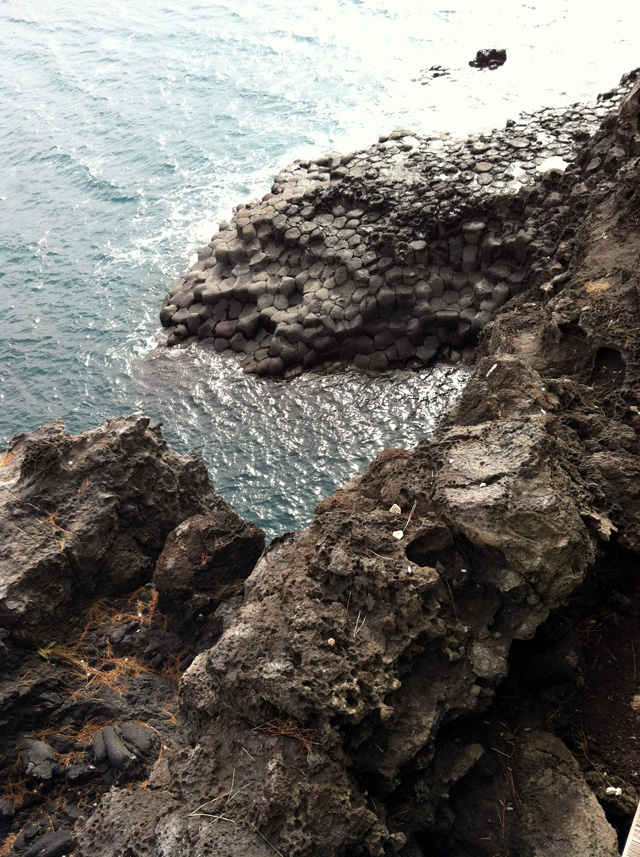
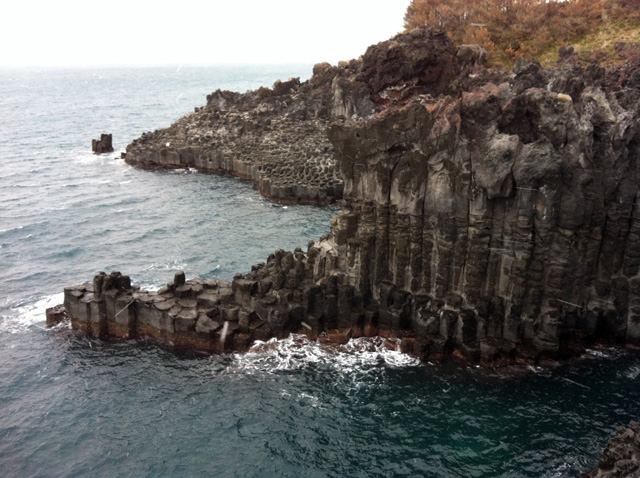
One of the unique natural rock formations visible on the island are the hexagonal columns of volcanic rock that form during the cooling process. The design's geometric pattern is simply breathtaking, and seems almost alien in the natural ecosystem. These particular photos were taken on the south side of the island, in one of the more well-known spots.
A birds-eye view of the hexagonal lava columnsA level-view of the hexagonal lava columns, emphasizing the columns
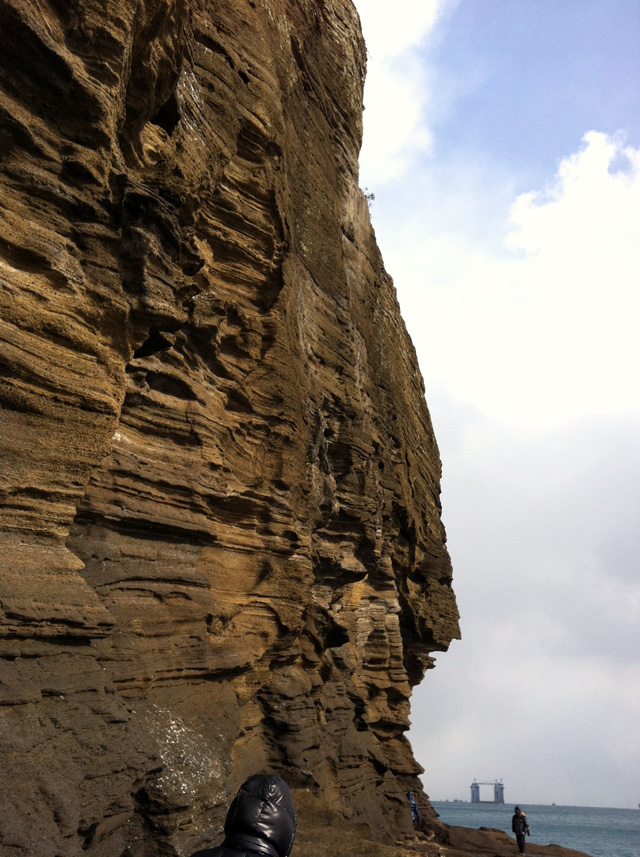
Other areas of Jeju also demonstrate natural erosion forces from the sea. This next picture is also located on the south-side of the island. If you look closely, you can see a mobile harbor for ocean vessels that was (I was told) developed by researchers at KAIST in the bottom-right corner.
I spent the last few days on Jeju, a volcanic island that is just a couple of dozen miles south of the Korean peninsula. The island has recently been christened as one of the 7 New Wonders of the Natural World by UNESCO (in a vote that was relatively scandalous, since the voting took place online and Korean soldiers were occasionally ordered to stuff the digital ballot boxes). While I can't really compare the island to the other contenders, I can say that the unusual geology, vast landscapes, and unique local culture make the island a special destination for international and Korean travelers.
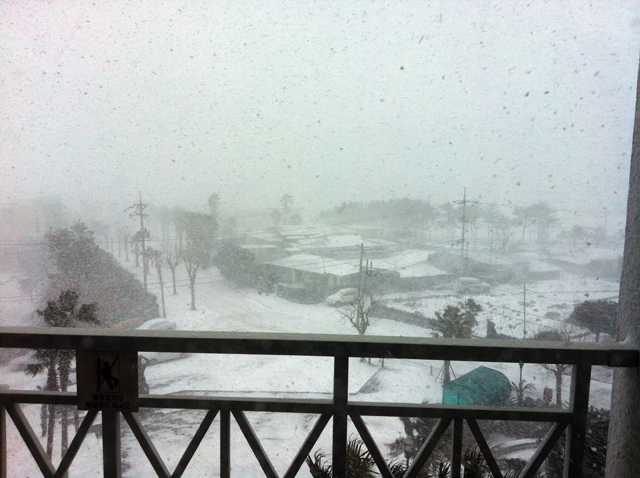
The island is mostly known as a sort of lush paradise island (it is not classified as tropical, although at times the published pictures may lend Jeju that description). However, that was not my experience traveling there this Winter.
My tropical island vacation - more like a winter wonderland
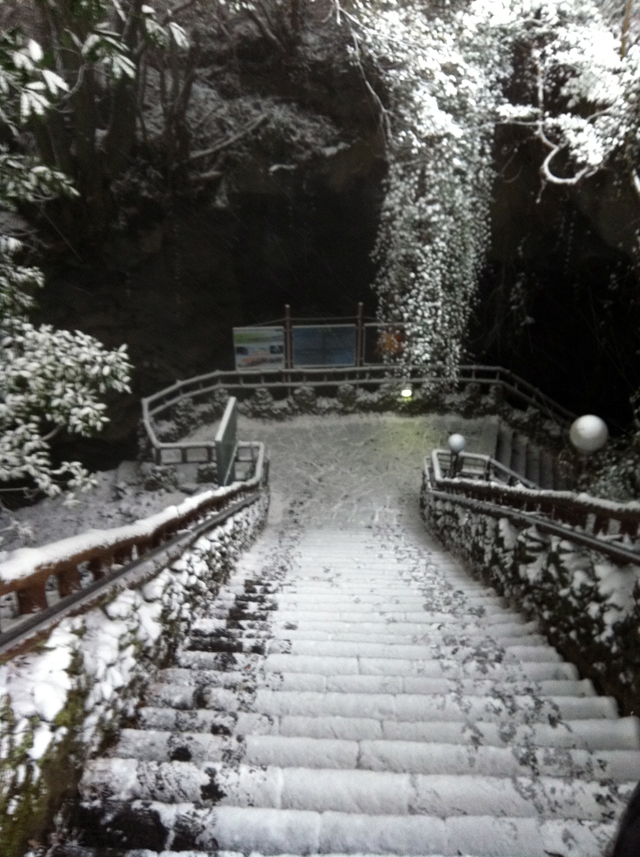
While the cold and snow were quite dreadful (plus the wind is downright deadly, maintaining around 30mph due to the nearby shore), the snow did provide for some beautiful photography against the ashen colored volcanic rocks widely seen in the island's geology.
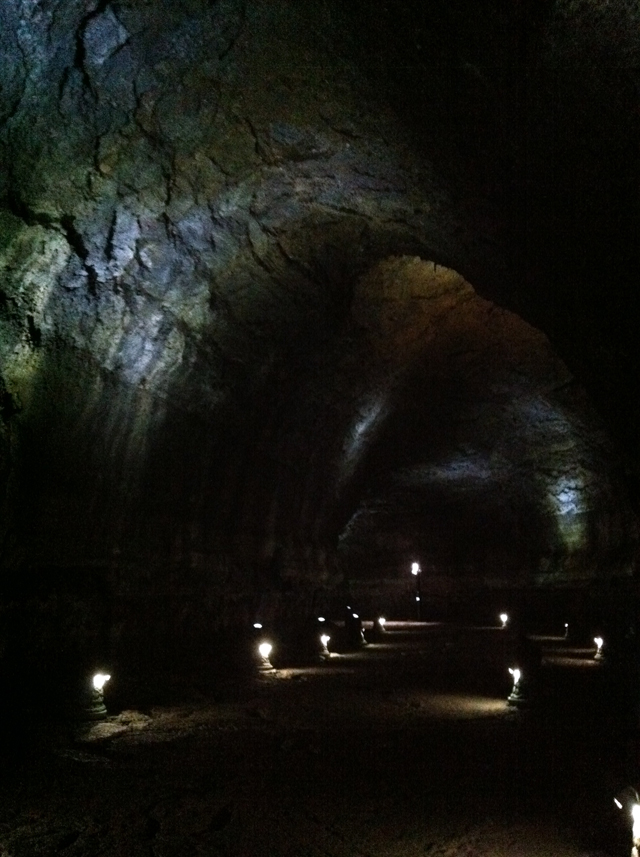
One of the most famous natural attractions on Jeju is the Manjanggul Lava Tube, a winding cave beneath the ground that was hollowed by molten lava that flowed through here thousands of years ago.
The entrance to the lava caves (ironically covered in snow)
Only a portion of the caves are available to tourists, but the available section is quite dramatic (enhanced by upgraded lights and bridges that have been placed in the past 5 years by an emboldened local government).
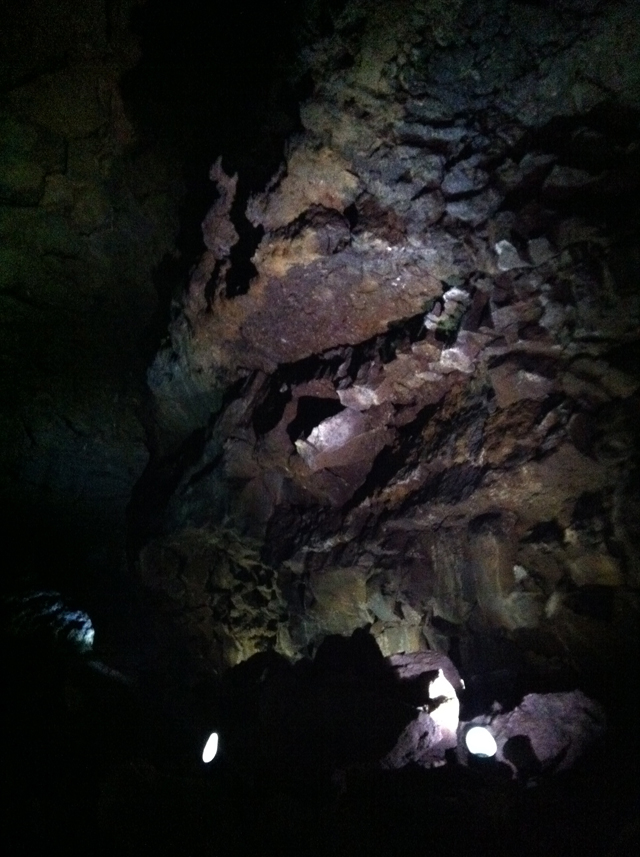
The tunnel inside the caves. I played video game music to heighten the mood.An example of some of the unique stratigraphy in the➜ Continue reading...
This week marks the start of the new year in lunar-based calendars, and the New Year's Day is the largest holiday of the year in Korean and East Asian cultures. The New Year's Day celebrations can be quite elaborate depending on a family's fealty to cultural traditions, but the exact practices vary between families depending on religious practices, cultural background, number of family members, and the hometown of the family. This is the year of the Dragon, and that has meant that the animal has become quite prevalent throughout the country in the past few weeks.
At the heart of the holiday is a certain introspection regarding one's age and ancestors. Since the Korean age system is based around New Year's day (one's age increases for everyone in the country simultaneously on New Year's day, as opposed to on birthdays) Acknowledging and honoring one's ancestors is at the heart of the event, and many Koreans will trek back to their ancestral hometowns to visit grave sites of previous generations of their family. At the same time, it is a time to commemorate another year of life and the continuing passage of time.
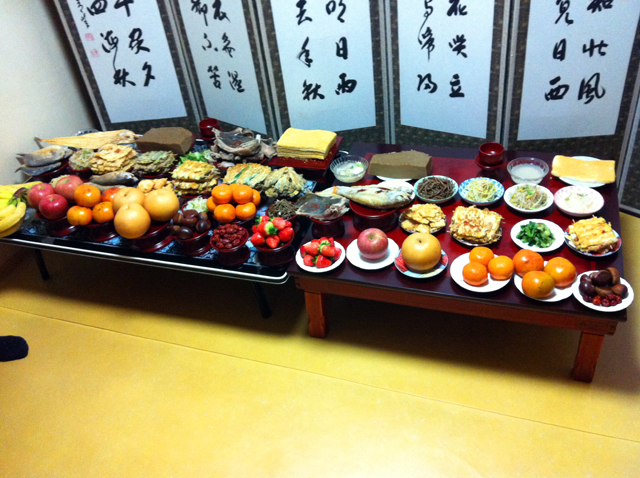
I participated in the traditions with a friend of mine here in Korea. The celebration began in the early morning with the cooking of a banquet feast, including (Tteokguk), which is the traditional food eaten only during New Year's.
A colorful feast of fruits and various Korean staple dishes
In the same room as the food are pictures of the family's ancestors on the wall. Before the food is eaten, the men in the family (sons and fathers) performed a series of traditional bows to honor the ancestors before enjoying the breakfast. Due to the small dining
Vinod Khosla, writing on TechCrunch in his continuing series on how algorithms are going to replace everything, believes that there are two trends in the future confluence of the internet and the web: decentralization and gamification. His arguments regarding decentralization are accurate (if a tad unoriginal at this point considering the overarching development of the internet), but his views on gamification deserve a closer look. He starts reasonable enough:
[...] I firmly believe that we should embrace [gamification] and harness its best parts to drive the education of our children who grow up with online and mobile games.
But then we reach this sentence later in the essay:
And with points and stars and badges and the like both [types of students: the A and D students] are likely to want to spend more time participating, and will be more motivated when they do participate compared to today's average classroom.
Vinod Khosla is wrong. Dangerously wrong.
I want to start by saying that Khosla is certainly no small figure in the Silicon Valley community, and really, his track record of success is something to laud. I also want to note that some of my closest friends from college are working on mobile games that teach arithmetic skills. I think the work that they are doing is really interesting, worthwhile and useful.
Yet, there is a tremendous difference between having a game on a parent's iPhone or Android and changing the entire U.S. education system to encourage the acquisition of arbitrary "points and stars and badges." It's funny, but this approach has been tried for years in U.S. school districts, without success. Those who want to read about it from an ardent critic can turn to the work of Alfie Kohn who rightly points out
How portable are models of economic development? When people talk of the Washington Consensus or the Beijing Consensus, they are indicating a set of economic approaches toward development that include deep cultural connections. America's approach of privatization and deregulation has brought immense prosperity to the country over the past century (even if we may have moved the edge too far in the past few years). Likewise, China's approach to state-centered economic growth is merely an extension of an extremely long history of bureaucratic development.
One of the economic theories that have been put forward to address this is varieties of capitalism - an approach that seeks to consider countries in terms of holistic systems of production - one in which individuals interact in a system of institutions that all work together in synergy. Thus, the United States has strong patent rights, strong rule of law, entrepreneurship, libertarianism, deregulation, etc. - the change of one of which would be incompatible with the others.
The theory has many problems (namely, reverse causality), but it highlights a true danger in economic development: economies grow organically, and it is nearly impossible to graft on a new industry or approach and expect it to be successful. One only has to look at the demise of Silicon Valley clones around the world to see how difficult copying a set of economic institutions can be.
Daniel Altman (who I seem to beat up a little too much), wrote another article for Foreign Policy in which he discusses the increasing levels of human capital development in Africa. His statistics are quite interesting, but one thing I thought was interesting was the on-going comparisons to South Korea.
For example, in overall human development as judged by the United Nations Development Program (UNDP), Madagascar now sits where the Republic
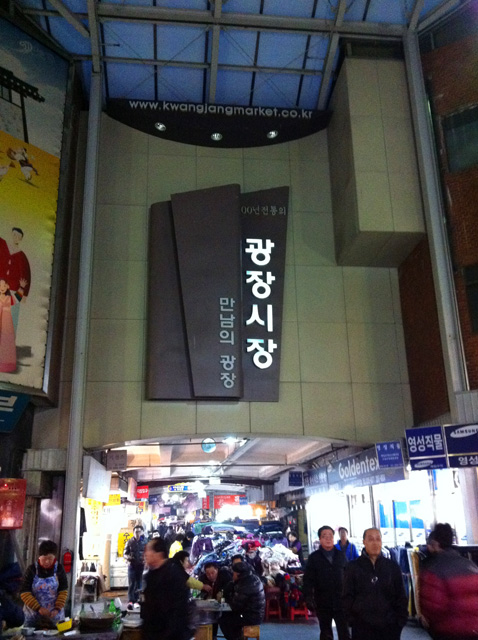
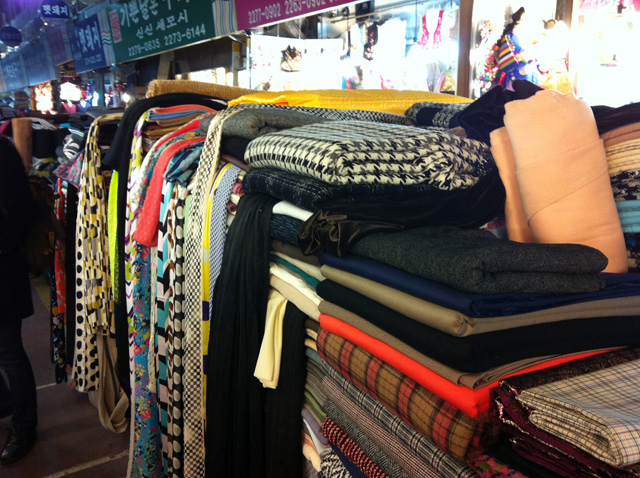
Markets are quite common throughout Korea, and each has their own reputation for the kind of goods that are for sale. Some markets are known for their fabrics, while others might be known for their imported goods or foods. This tends to mean that there is no one-stop shop for all goods you want, but it does mean that there is incredible selection if you know what you are looking for and go to the right place.
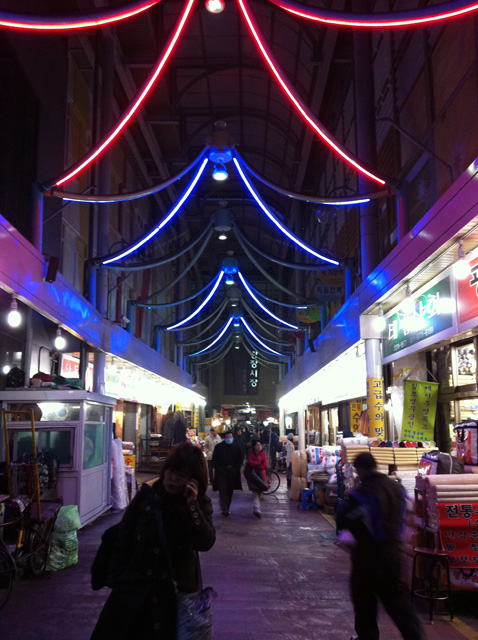
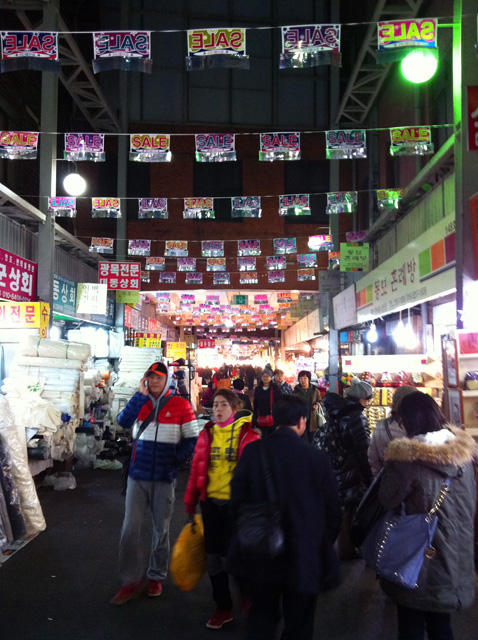
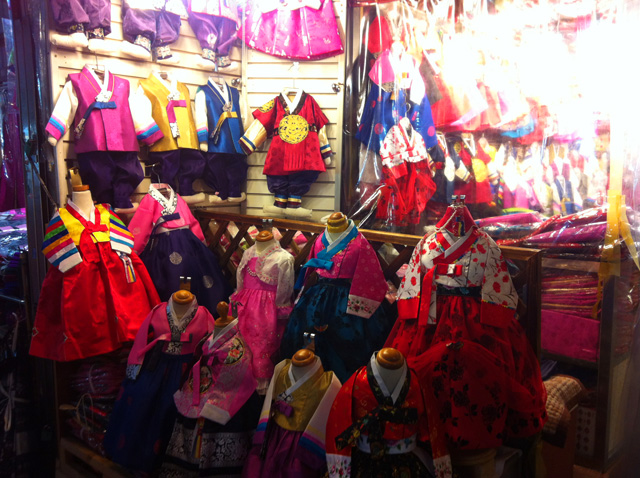
I visited Gwangjang Market a few days ago, which the Korea Tourism agency bills as the "first" market in the country (not really sure on how they define that though). The place is also apparently known for its hanbok wedding gowns (the formal and traditional dress of the wedding couple) and thus it serves up many stores with these gowns available in a dazzling palette of colors. Outside of the shopping, numerous food vendors were dispersed throughout the walkways offering snacks for the shoppers.
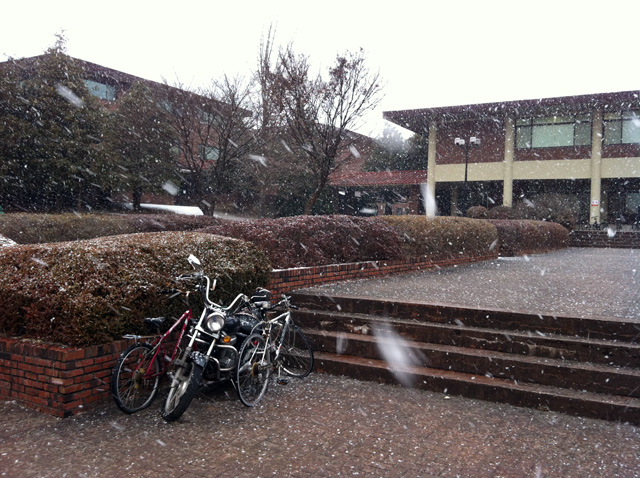
In addition to shopping, I managed to get a wonderful picture of large-flake snow falling in Korea. The snow, when it isn't making the place dangerous, can be quite beautiful at times (although it is still not enough to get me to leave California permanently!)
Sign to the opening of Kwangjang MarketWalkway in the market (and the ceiling colors are conspiratorially similar to the colors of the clothes)Sale signs beckon from another walkway at the marketColorfully bold Hanbok formal dresses are widely available at the marketShoppers can purchase raw fabrics across the second floorRandom picture of snow (too bad I am too lazy to use Instagram)➜ Continue reading...
Hi, I'm Danny. I'm Partner, Research at VC firm Lux Capital, where I publish the Securities newsletter and Riskgaming. I'm also a Fellow at the Manhattan Institute in New York.
Formerly, I was managing editor at TechCrunch and a venture capitalist at Charles River Ventures and General Catalyst.