Microsoft's acquisition of Yammer last week was simultaneously praised for potentially adding social features to Microsoft's enterprise software while panned for its perceived value for the company. It is always difficult to debate the sale value (currently quoted at $1.2 billion), but the acqusition seems to make sense for Microsoft, which wishes to add a social dimension to many of its products like SharePoint.
Less discussed has been the question on my mind: where was Google?
Development started on Yammer in 2008, and the enterprise social network was already well on its way to success by the end of 2010. At the same time, Google was re-conceiving its social network strategy in the wake of the failed Google Wave and Google Buzz products. What emerged from those discussions was the model for the current Google+ Circles concept, which was originally developed by Paul Adams.
The goal of Google+ is, and remains, simple: add a social dimension to all of Google's products, while protecting Google's market share in search against competitors. In the past decade, the patina of the open web has been slowly chipped away by the growing use of "walled garden" websites. Websites and their content were once freely open to all, but today, web start-ups are increasingly roping off content to control its distribution and acquire information about users. For Google, this pattern not only degrades the experience for its users, it also makes search much less useful. A social layer like Facebook is critical for Google's long-term success, but since Facebook doesn't make its data public, Google had to acquire the data ab initio.
When I arrived to work at Google last summer, I witnessed the final hectic weeks of the launch of Google+. What
One definition of engineering is solving a problem using tools and processes within constraints. These constraints are numerous: they can include expenses, people, laws, physical laws, knowledge, and the list goes on. As a general rule, constraints are good, since they help to hone the mind on what is necessary rather than what is desirable. One of the largest take-aways from my research on the history of Stanford's Computer Science department was that its limited resources compared to MIT and CMU forced it be much more adaptive and innovative.
This is one of the reasons why start-up companies can topple mega-corporations with such limited resources. When you have 2-3 people and no money, you just can't put time on things that really don't matter. The focus is on the low-hanging fruit that takes the least time to develop with the least number of resources for the biggest gain in the user experience. By focusing on the essence, start-ups are able to build the kernel correctly -- and with some luck, all else follows.
This partially explains the success of Eric Ries' Lean Start-up model, which focuses on releasing early, iterating fast, and making sure a company is highly adaptable. This model is at the heart of YCombinator and almost all of the start-up advice that one receives in Silicon Valley in today's environment.
However, its dominance has become pernicious, because it hides a very important dilemma that faces all start-ups: there is a spectrum between anarchy and planning in building a business. What do I mean by this? Each point on this spectrum offers a range of businesses to start. On the anarchy side for instance, you have social networks and other web applications that emphasize the user
Over the past week, I have converted my blog from Wordpress to the static site generator Jekyll, written in Ruby. I have also merged my blog at Informed Skeptic to my personal home page. This post talks about this transition -- why I did it, what are the benefits and pitfalls of using static sites, and some miscellaneous other thoughts
Why leave Wordpress?
Wordpress is a modern and quite-extensible piece of blogging software. It has served me well over the past two years for my current blog, and I also used it years ago for a different blog that is no longer online. Among full-featured blogging platforms, it reigns supreme.
Unfortunately, the popularity of the platform has also encouraged feature-creep. Wordpress, even with caching, is remarkably sluggish. This is particularly true for the administrative panel, where it can take 2 minutes of wasted time just to get access to the blog post editor (not to mention that every time I log in, there is always a plugin to update which adds to the administrative time of the system). Part of the success of Tumblr has been its focus on reducing posting time, since delays almost always discourage users from writing updates. I finally decided that I wanted a faster platform.
The other concern I had was security. Wordpress' popularity encourages more attacks, and I am not at all convinced that the system is written in a secure way (for instance, Wordpress allows infinite login attempts on the administrative panel). Part of this will be true for any dynamic web application, but I felt there must be some alternative that allows me greater performance with less interface sugar while also increasing the general security of the system.
Fulbright Program
Research
“Growing Korea's Innovation Garden Toward Decentralization in Education and High-Tech Policy”
Travels around Korea
Fulbright Program
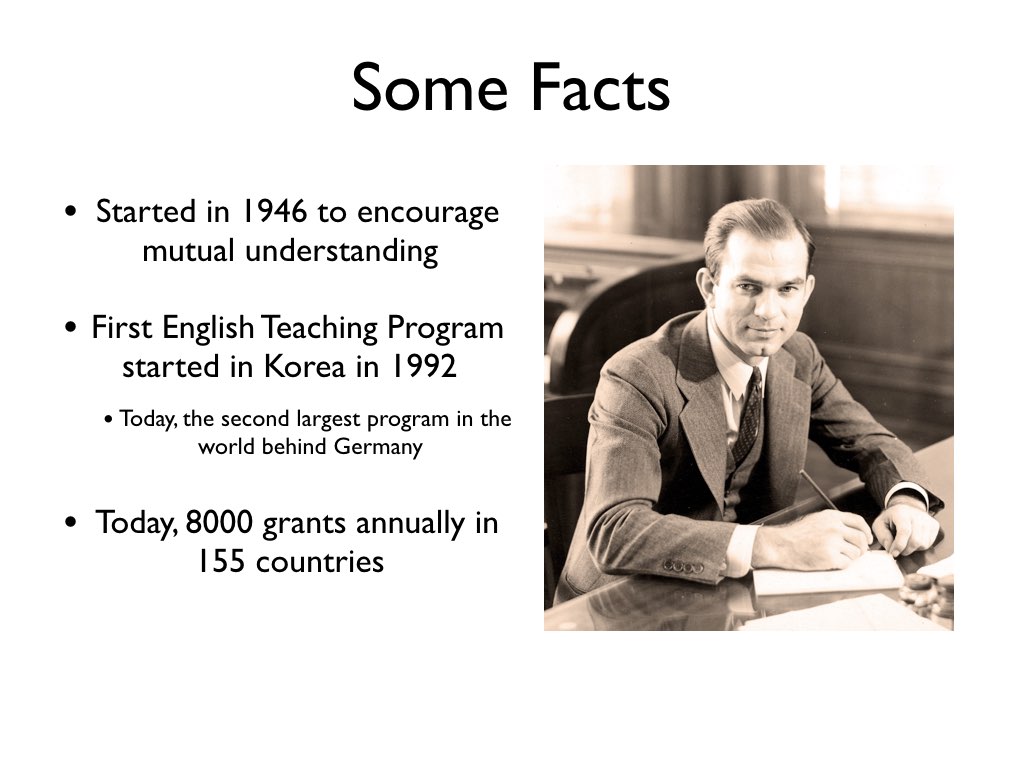
Some Facts
Started in 1946 to encourage mutual understanding
First English Teaching Program started in Korea in 1992
Today, the second largest program in the world behind Germany
Today, 8000 grants annually in 155 countries
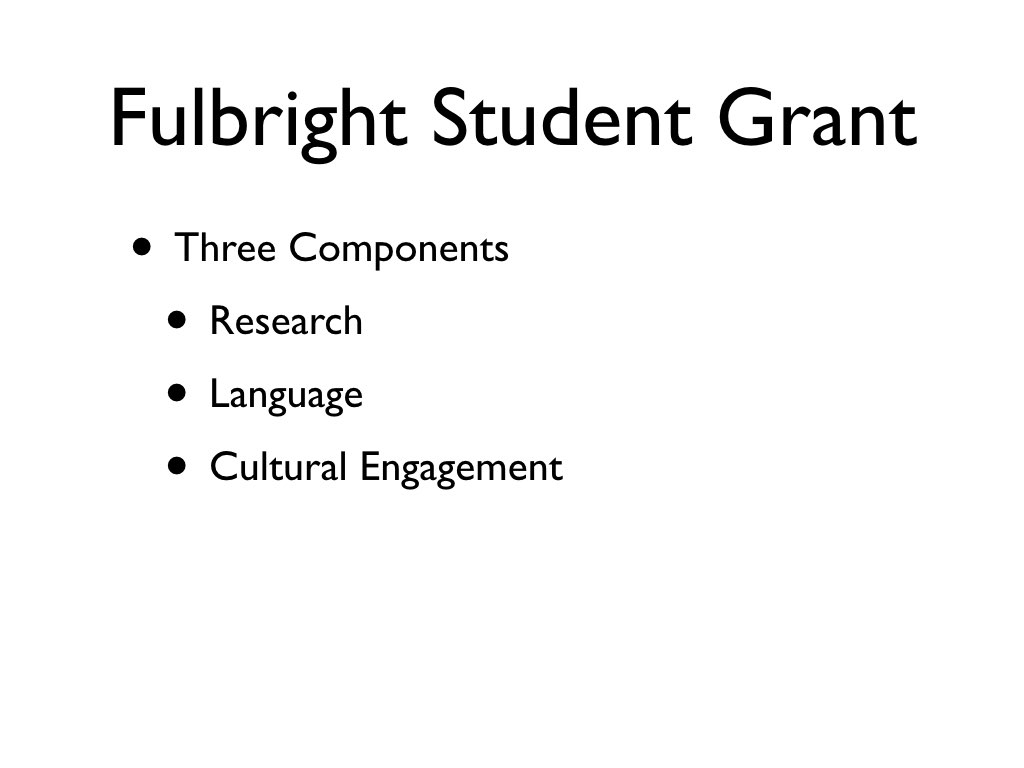
Fulbright Student Grant
Three Components
Research
Language
Cultural Engagement
Fulbright Student Grant
Three Components
Research
Language
Cultural Engagement
Research
Research Synthesis Innovation Garden
Seeds: Start-Ups
Germination: Growth
Blooming: Success
Wilting: Missed
Tree: Super Success
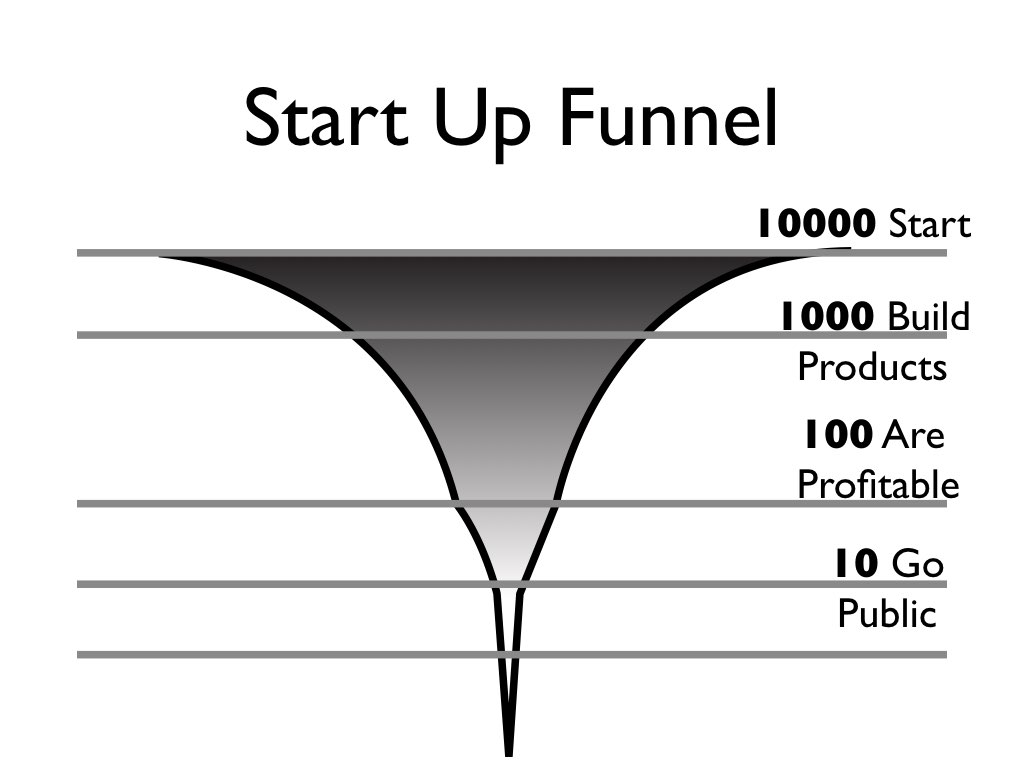
Start Up Funnel
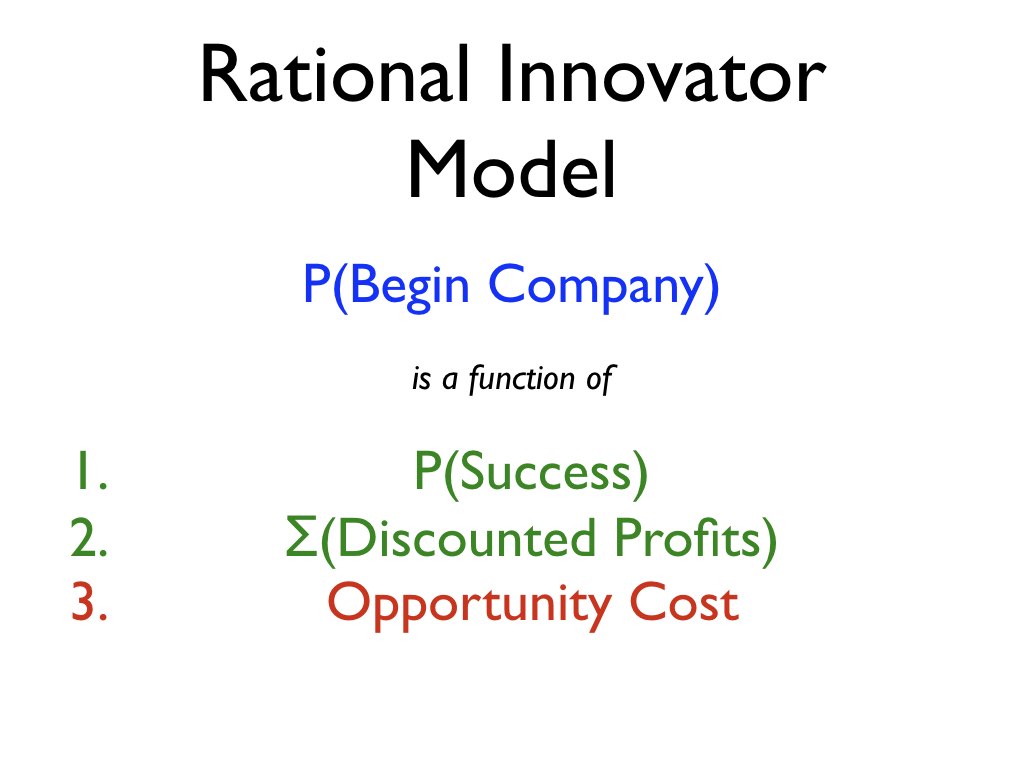
Rational Innovator Model
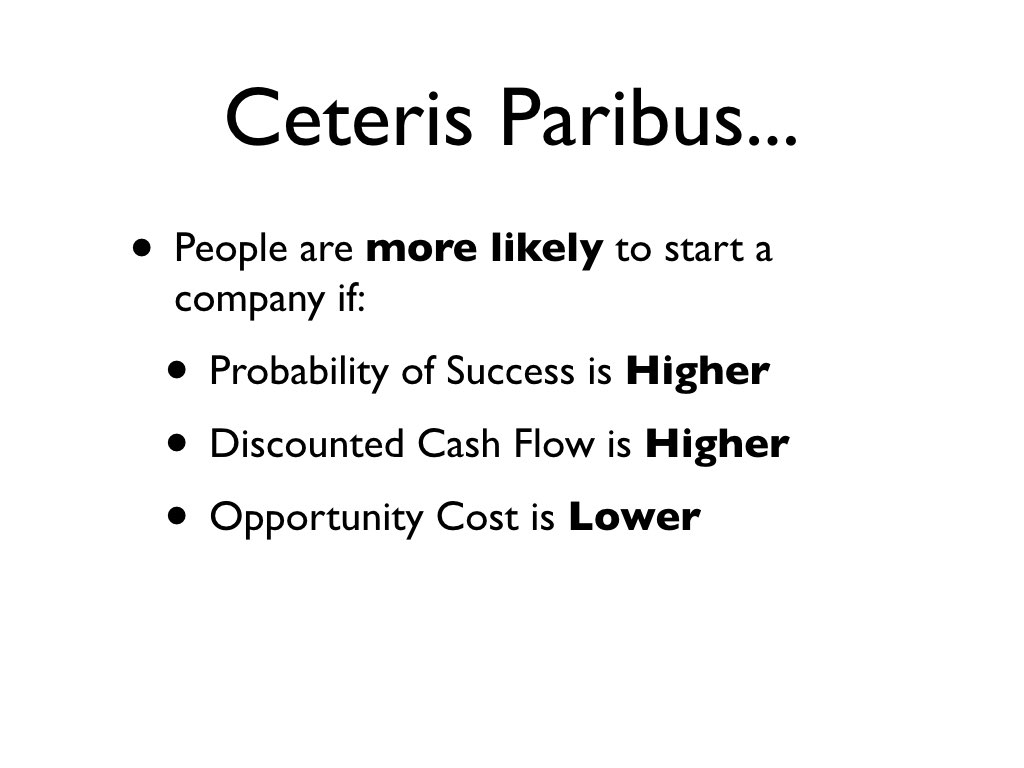
Ceteris Paribus...
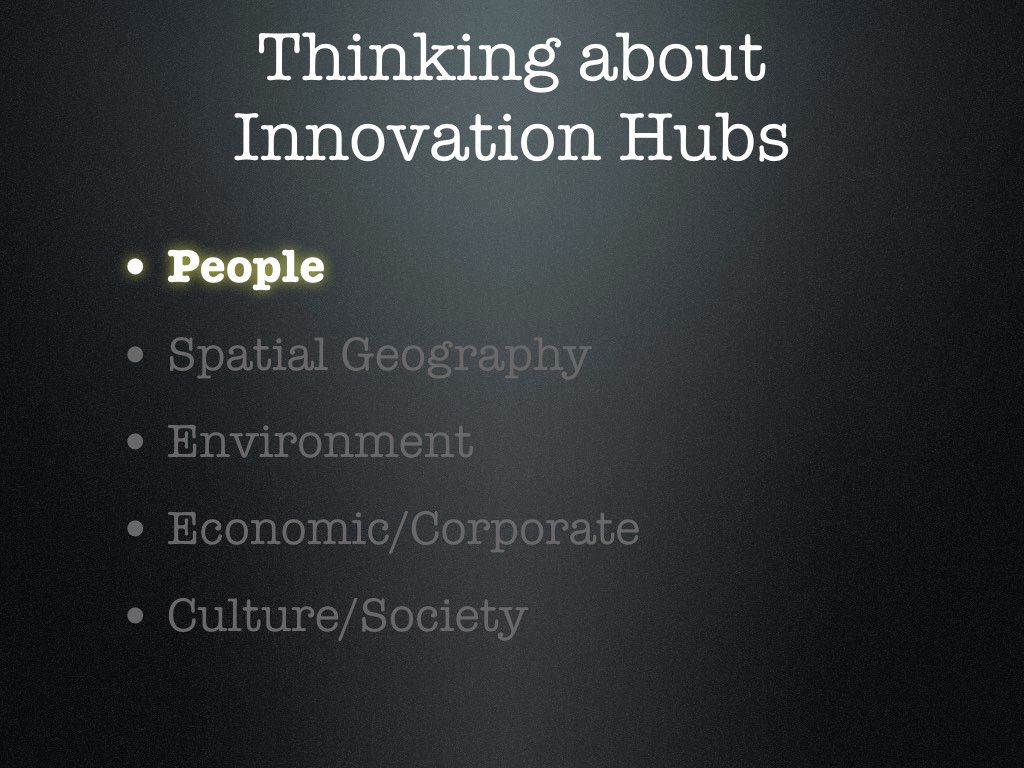
People are more likely to start a company if:
Probability of Success is Higher
Discounted Cash Flow is Higher
Opportunity Cost is Lower
Innovation Garden Probability of Success
Soil: Policy and Talent
Soil: Policy and Talent
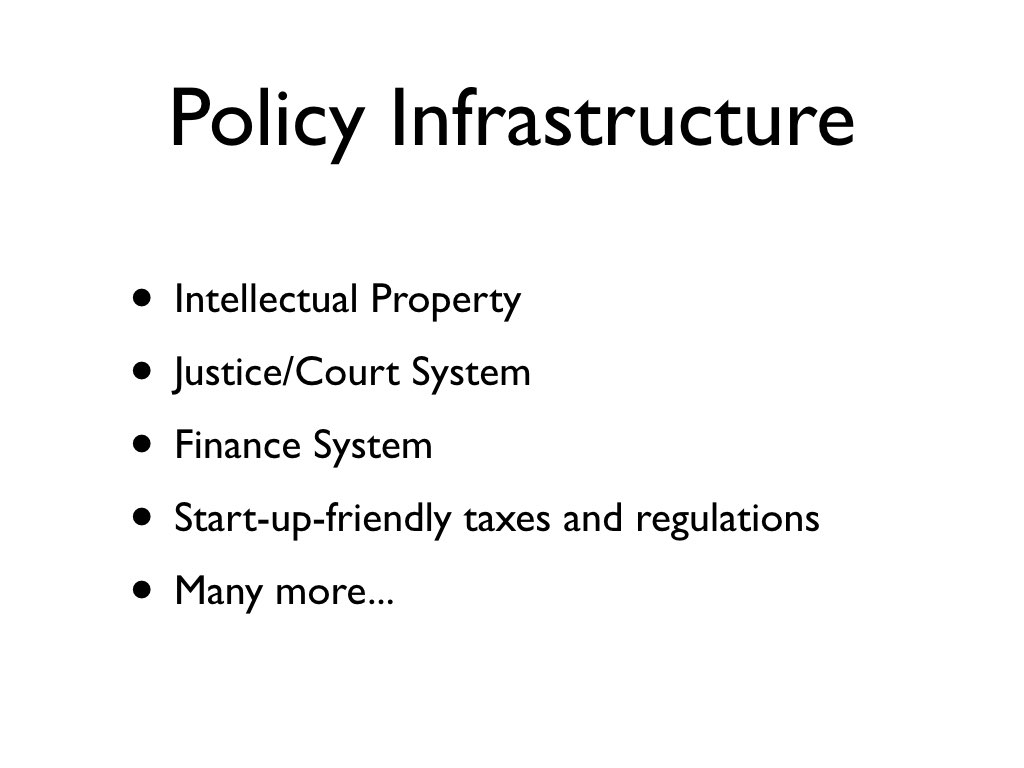
Policy Infrastructure
Intellectual Property
Justice/Court System
Finance System
Start-up-friendly taxes and regulations
Many more...
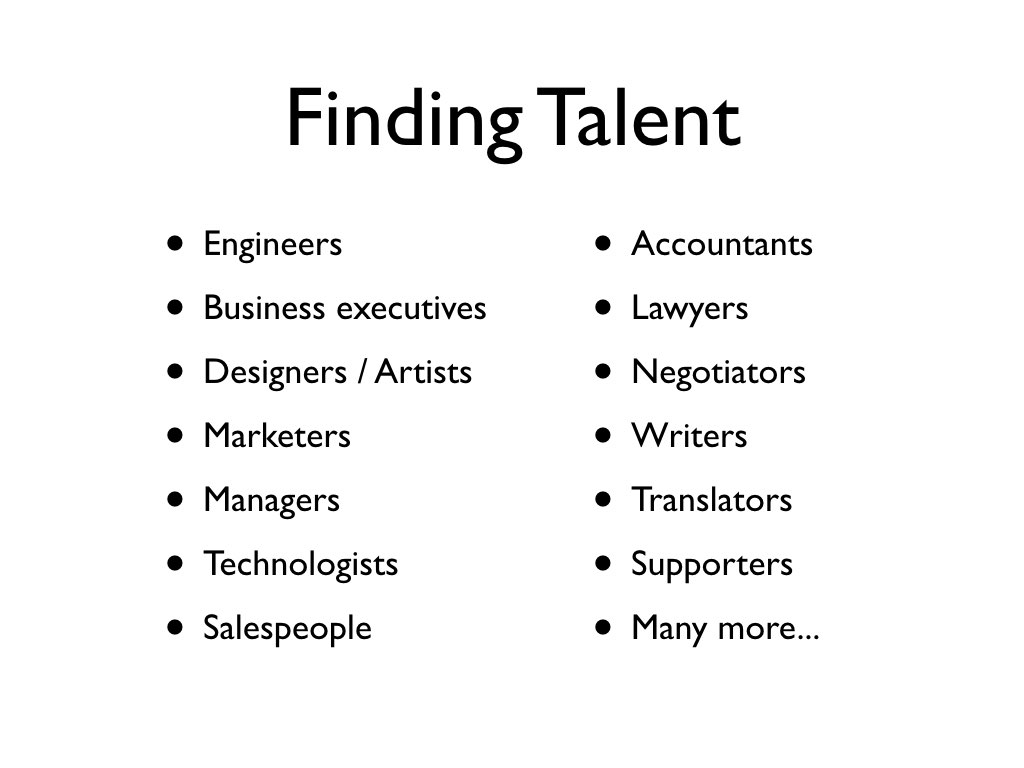
Finding Talent
Engineers
Business executives
Designers / Artists
Marketers
Managers
Technologists
Salespeople
Accountants
Lawyers
Negotiators
Writers
Translators
Supporters
Many more...
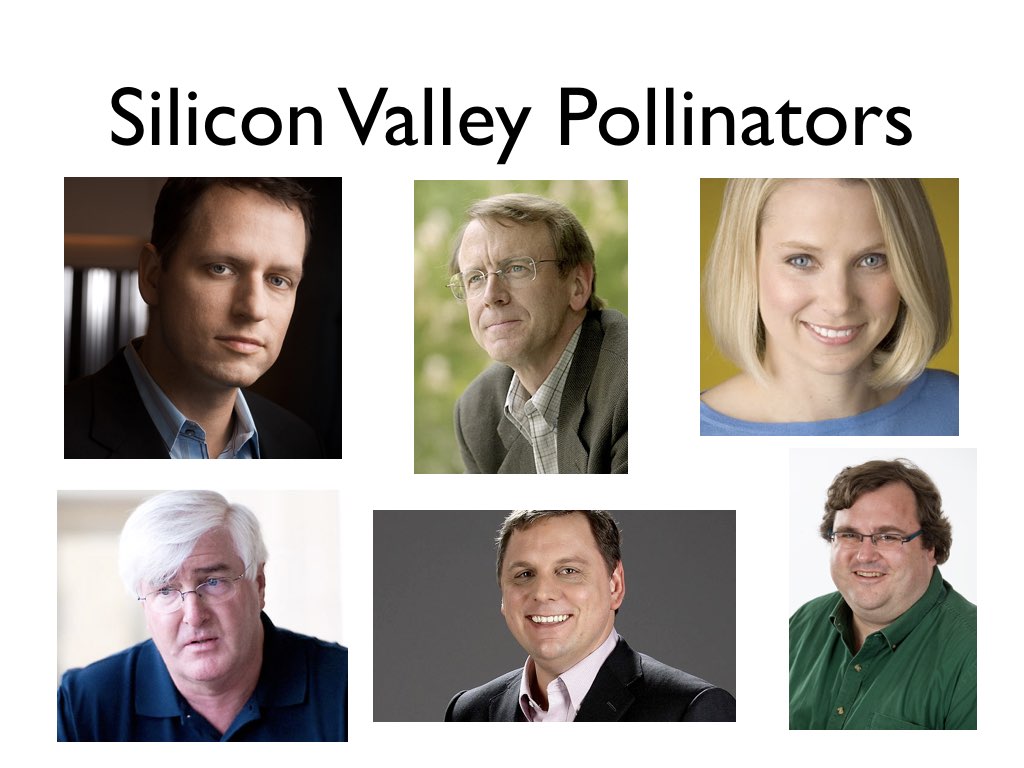
Pollination: Advisers
Silicon Valley Pollinators
Water: Money
Desert: Too Little Money
Flood: Too Much Money
Sunlight: Attention
Pollination: Advisers
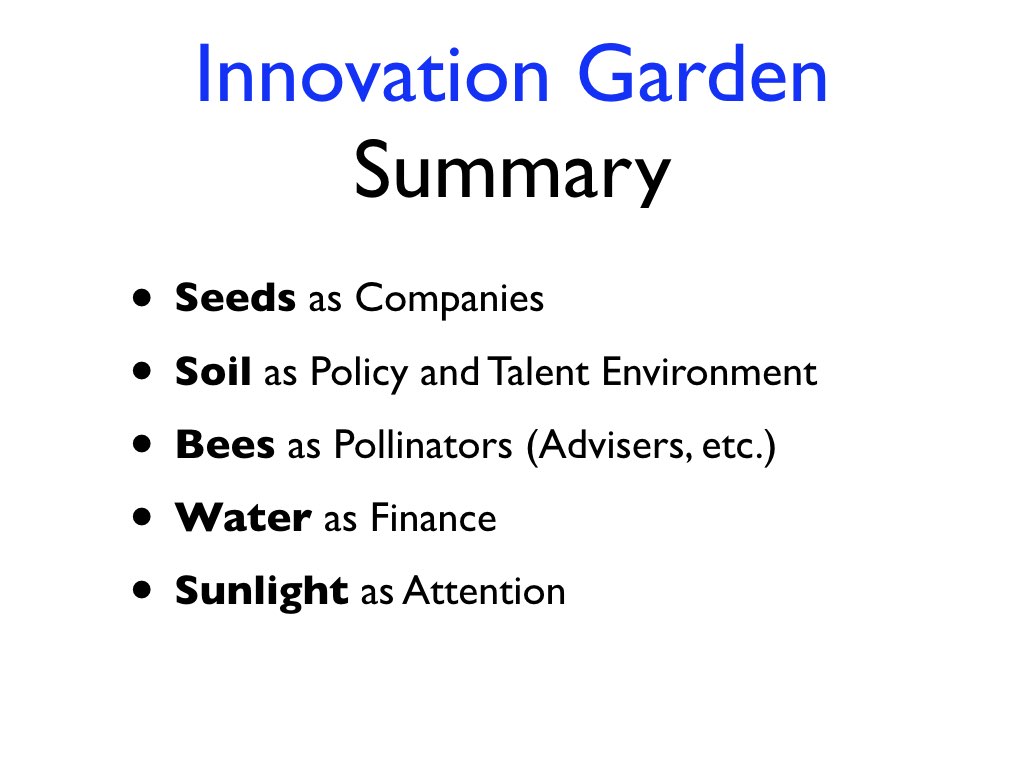
Innovation Garden Summary
Seeds as Companies
Soil as Policy and Talent Environment
Bees as Pollinators (Advisers, etc.)
Water as Finance
Sunlight as Attention
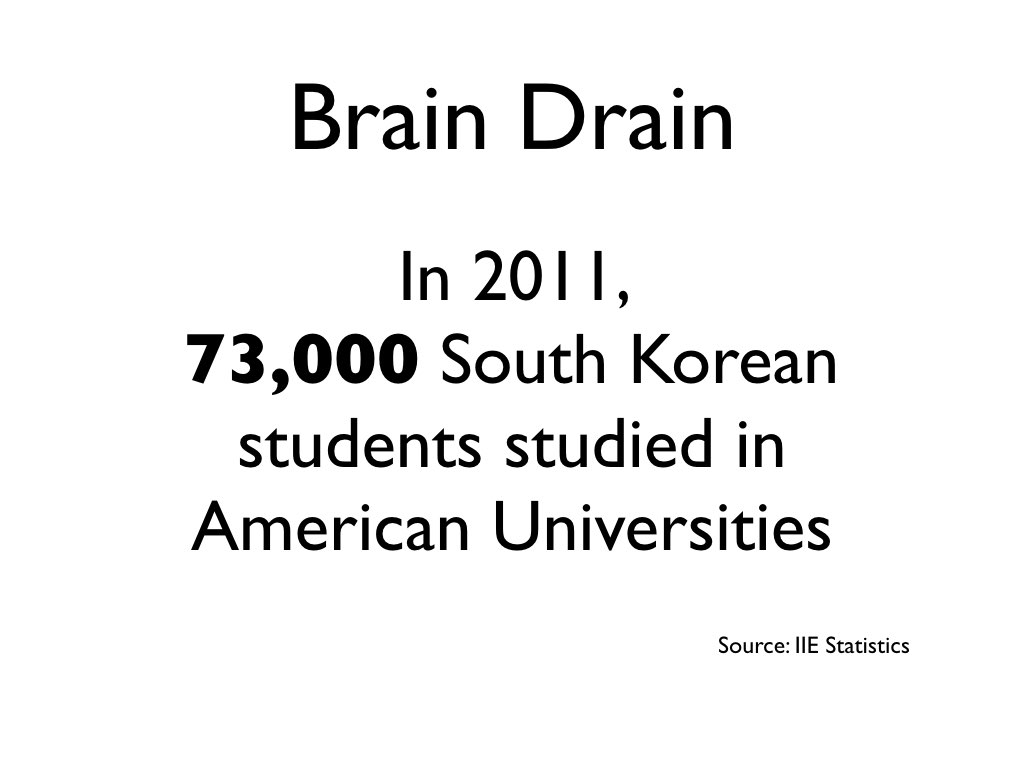
Research Application South Korea
Research Observations
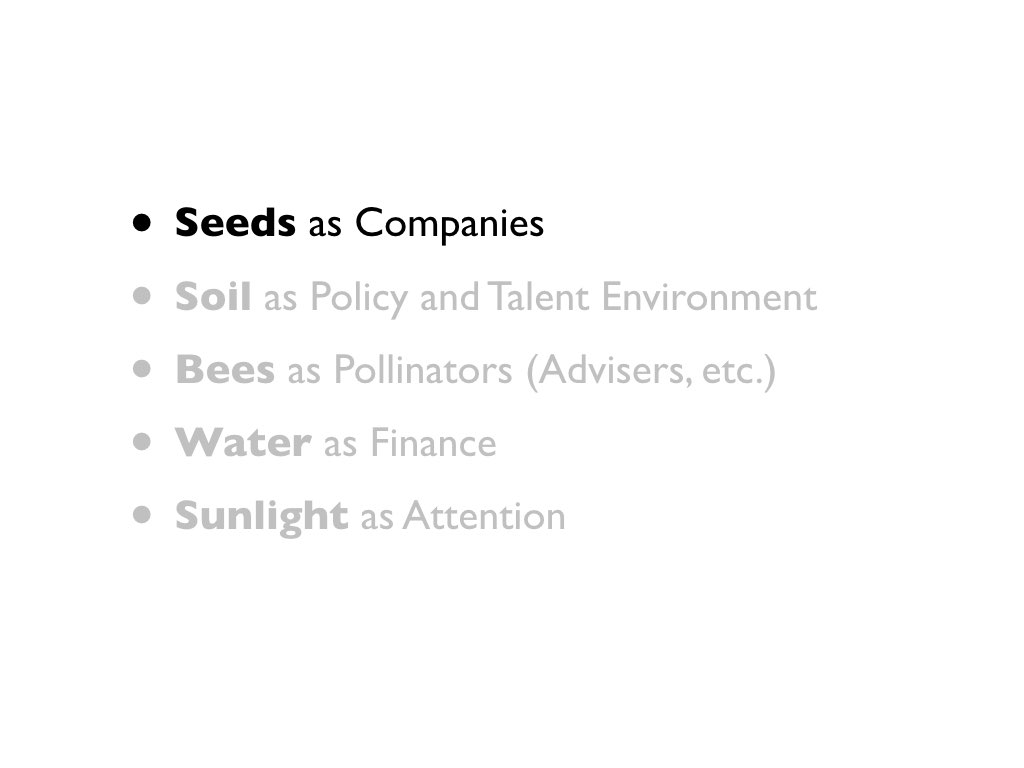
Innovation Garden Summary
Seeds as Companies
Soil as Policy and Talent Environment
Bees as Pollinators (Advisers, etc.)
Water as Finance
Sunlight as Attention
One Interesting Statistic
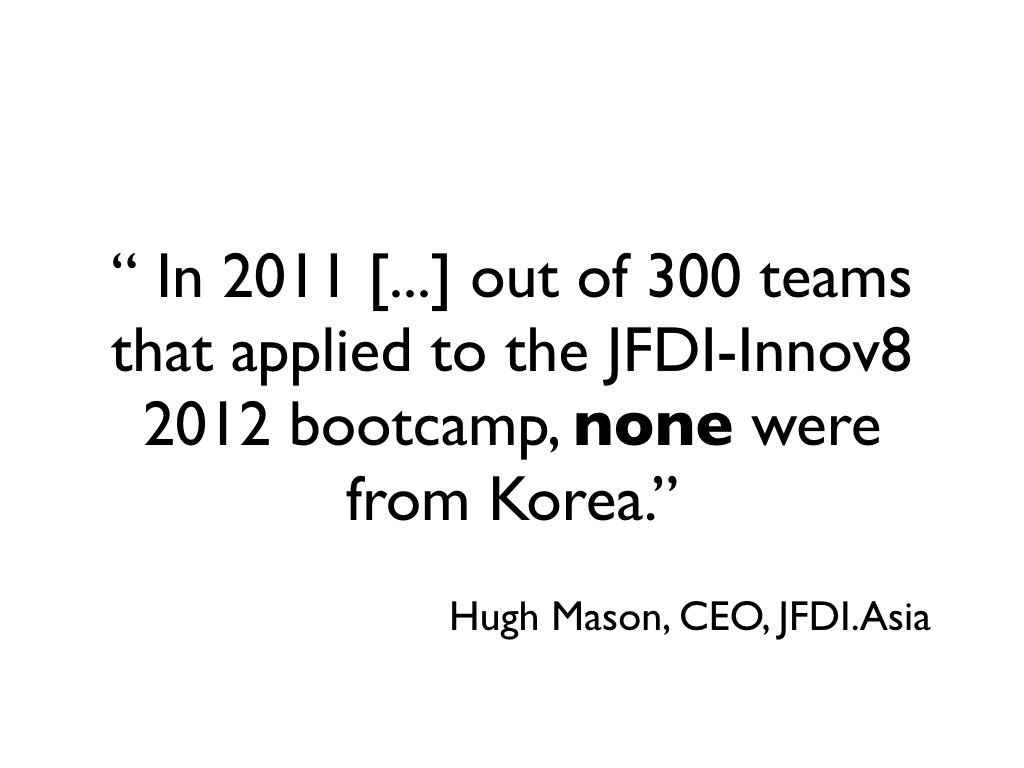
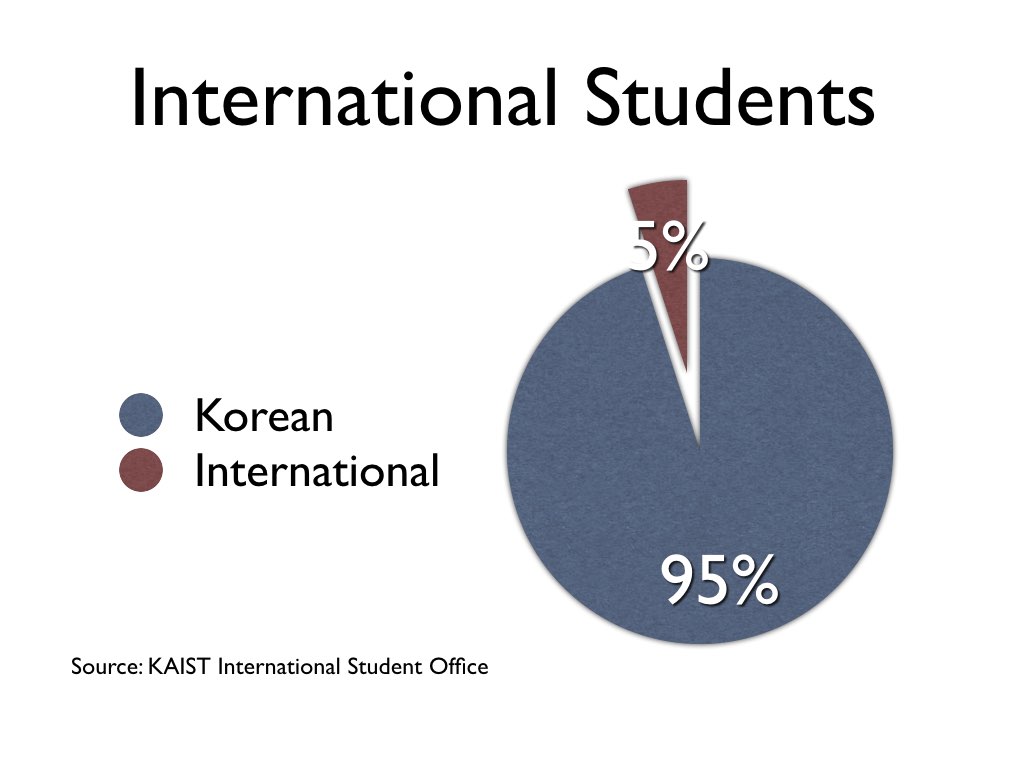
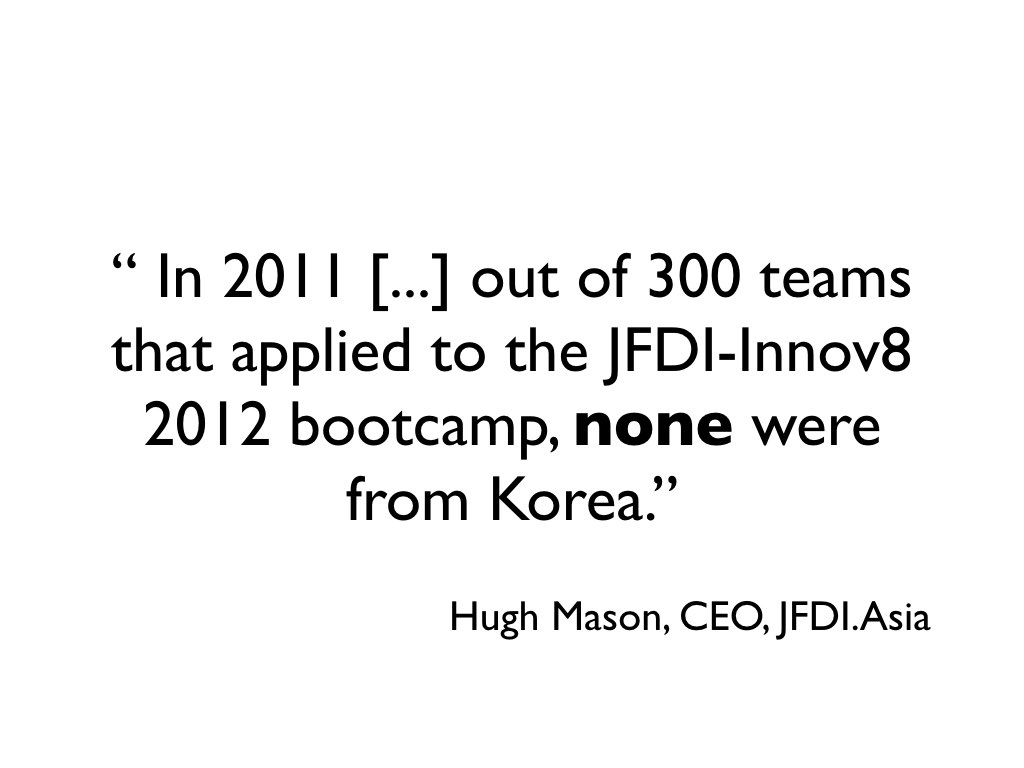
“In 2011 [...] out of 300 teams that applied to the JFDI-Innov8 2012 bootcamp, none were from Korea.”
This NYT Teardown is part of a new series in which I tear apart NYT articles that should never have been published. An occasional feature.
The article for this installment of NYT Teardown is The Go-Nowhere Generation written by Todd G. Buchholz and Victoria Buchholz. The basic thesis of the article is that Americans used to move all the time across the country to seek opportunity - if one state wasn't great, they would get into their cars and move across the country to begin their life anew. Think Mary Tyler Moore moving to Minneapolis. Today, however, students and young people are staying home in droves, by and large avoiding improving their economic lot.
Let's look at the evidence that backs up such a sweeping claim:
Americans are less likely to move according to Census data (how less likely is not clear. 1%? 25%? Such a magnitude would have been helpful)
More students are living at home after graduation
My favorite: A kid from Columbus who avoided a teaching career to work at a factory so that this person could stay in Columbus (and from a second-hand source too!)
Fewer proportion of young people getting drivers licenses
Too much Facebook usage (because, as we all know, that is the cause of everything)
Risk aversion due to cultural changes like a new Disney show called "So Random!" (a title that describes the evidence in this piece quite effectively)
Changing song lyrics from Bruce Springsteen
Convinced?
Perhaps I am crazy, but to say that the entirety of people under the age of 30 are going nowhere because of this level of evidence is ridiculous. It certainly doesn't meet the standards of the NYTimes. While I question the thesis as a whole, I want to break apart
It looks like his fashion sense hasn't improved. Picture from the Atlantic.
There have been dozens of news stories this year about the silly antics of presidential candidates. From calling people snobs for wanting kids to go to universities to reopening the contraception battle, the issues are petty, weird, and bizarre: almost like a real version of the Twilight Zone (which, unlike the television show, never really ends). What is most shocking about the race though, is not that presidential candidates make ridiculous comments, but the support they seem to garner in response.
Why is it that Americans, who by most counts are generally decent and rational people, can suddenly be whipped up into a frenzy to support positions against their own interests by such provocative language? Considering the vast changes facing the white working class, who really represents the heart of the Republican party (the Tea Party tends to skew upper middle class), it's a little surprising that they are the ones cheering for reducing scholarship aid or ending contraception.
There have been a lot of discussions about this issue, with talking head theorists discussing all kinds of different explanations. I'll throw my hat into this ring with my own theory, that of the psychology of decisions and loss recognition. Let me explain.
Daniel Kahneman (along with the late Amos Tversky) developed a theory in psychology about how humans react to loss. They found through experiments that humans actively avoid recognizing a loss, and will continue a losing endeavor even in the face of overwhelmingly clear evidence that such a decision is not the prudent course. Thus, gamblers often go into massive debt, since to not play another hand would be to recognize a loss - and therefore force them to confront the bad decisions they had
Hi, I'm Danny. I'm Partner, Research at VC firm Lux Capital, where I publish the Securities newsletter and Riskgaming. I'm also a Fellow at the Manhattan Institute in New York.
Formerly, I was managing editor at TechCrunch and a venture capitalist at Charles River Ventures and General Catalyst.