Policymakers across the world desperately desire to increase the levels of entrepreneurship within their borders. Whether it is the United States increasing funds for STEM education in the Educate to Innovate program, the extensive programs for new business formation in South Korea, or building one of the most well-endowed science and technology universities in Saudi Arabia (KAUST), governments are putting new venture formation, entrepreneurs, and science and technology on an ever greater pedestal. They are the panacea to all of our economic problems.
Despite the grand visions of politicians, few policymakers have successfully guided their economies to reach this entrepreneurial target. Saudi Arabia is hardly a paragon of innovation today, despite KAUST's existence for the past few years. The Research Triangle in North Carolina, while not a failure, has never reached its full potential to become a major innovation hub. Today, the only region that looks promising is New York City, where a start-up ecosystem has grown in the ashes of the Wall Street financial collapse and the city government is devoting significant resources to grow and sustain a technical workforce.
Why is it so difficult to build these kinds of regions? I can think of a couple of answers:
- Policymakers aren't entrepreneurs.
This not only means that it is difficult to build good policies, but it also means that the implementation of the policies can be extraordinarily hard as well.
- Policy often lacks focus.
I don't believe that building an entrepreneurial region is hard, but what is your price? It's not just about money here, but also attention and time. Are you willing to change every policy (labor law, patents, taxes, etc.) to support such an environment, or do such changes get mired in politics?
- Policy often lacks geographic focus.
Most entrepreneurship happens in very well-defined regions. In the
➜ Continue reading...
I have just finished my research grant in South Korea and returned to the United States. Hopefully, my blog will be updated more extensively in the weeks to come as I begin my professional life again here.
There are a couple of things to look forward to in the next few weeks here:
- I am currently drafting a (relatively) comprehensive report on the state of Korea's innovation policy. This report, rather than taking the feel of a OECD Country Report, will instead look at people's impressions and feelings based on my interviews in South Korea. Numbers can only take you so far in understanding why people start companies and build innovative enterprises. Psychology, arguably, is more important, and this report will have much to say about the current environment for Korean entrepreneurialism.
- I will be posting my undergraduate thesis online about the history of Stanford's Computer Science department and the rise of Silicon Valley. I am currently converting the thesis from LaTeX into HTML (retaining all footnotes) and adding in an introduction and executive summary.
Thanks for reading this blog. If you have ideas for stories I should write about, you can always get in touch with me at danny.crichton@gmail.com.
➜ Continue reading...
BusinessWeek just wrote a short piece on the rise of state capitalism, and how governments are not completely naive when it comes to generating innovative industries. The article gives several examples of countries that have successfully developed companies, including Brazil with Embraer and Singapore with several of its research companies. What's exciting about this story is that the free-market capitalism press is beginning to write about state capitalism without the vitriol seen in the past few decades.
Honestly, we are starting to see the small cracks in the so-called "Washington Consensus" that has dominated development approaches for the past three decades. That Consensus entails privatization of state-owned properties, deregulation, and policy reforms like taxes to spur investment and create a stronger free-market environment for growth. The problem with the Washington Consensus, of course, is that it has been an unmitigated failure in pretty much any country in which it has been applied to.
State capitalism, development states, and other names all refer to one approach to development: namely, the use of government as a coordinating force in the economy. Poor countries that wish to grow are stymied by the "all-or-nothing" problem (my term for it) -- how do you build multiple companies and sectors of the economy in synchronicity without strong private investment (since no money exists to invest)? The free market is great at coordination in relatively developed markets today, where innovation and creative destruction build new industries to replace old ones. It is less useful in countries that have few industries and need long-term development on the order of decades. There is little private capital that will support that investment horizon.
State capitalism is the theoretical approach that the Asian tigers and Japan embraced to develop throughout the latter half of the 20th century.
➜ Continue reading...
Microsoft's acquisition of Yammer last week was simultaneously praised for potentially adding social features to Microsoft's enterprise software while panned for its perceived value for the company. It is always difficult to debate the sale value (currently quoted at $1.2 billion), but the acqusition seems to make sense for Microsoft, which wishes to add a social dimension to many of its products like SharePoint.
Less discussed has been the question on my mind: where was Google?
Development started on Yammer in 2008, and the enterprise social network was already well on its way to success by the end of 2010. At the same time, Google was re-conceiving its social network strategy in the wake of the failed Google Wave and Google Buzz products. What emerged from those discussions was the model for the current Google+ Circles concept, which was originally developed by Paul Adams.
The goal of Google+ is, and remains, simple: add a social dimension to all of Google's products, while protecting Google's market share in search against competitors. In the past decade, the patina of the open web has been slowly chipped away by the growing use of "walled garden" websites. Websites and their content were once freely open to all, but today, web start-ups are increasingly roping off content to control its distribution and acquire information about users. For Google, this pattern not only degrades the experience for its users, it also makes search much less useful. A social layer like Facebook is critical for Google's long-term success, but since Facebook doesn't make its data public, Google had to acquire the data ab initio.
When I arrived to work at Google last summer, I witnessed the final hectic weeks of the launch of Google+. What some other PM interns and I couldn't understand then
➜ Continue reading...
One definition of engineering is solving a problem using tools and processes within constraints. These constraints are numerous: they can include expenses, people, laws, physical laws, knowledge, and the list goes on. As a general rule, constraints are good, since they help to hone the mind on what is necessary rather than what is desirable. One of the largest take-aways from my research on the history of Stanford's Computer Science department was that its limited resources compared to MIT and CMU forced it be much more adaptive and innovative.
This is one of the reasons why start-up companies can topple mega-corporations with such limited resources. When you have 2-3 people and no money, you just can't put time on things that really don't matter. The focus is on the low-hanging fruit that takes the least time to develop with the least number of resources for the biggest gain in the user experience. By focusing on the essence, start-ups are able to build the kernel correctly -- and with some luck, all else follows.
This partially explains the success of Eric Ries' Lean Start-up model, which focuses on releasing early, iterating fast, and making sure a company is highly adaptable. This model is at the heart of YCombinator and almost all of the start-up advice that one receives in Silicon Valley in today's environment.
However, its dominance has become pernicious, because it hides a very important dilemma that faces all start-ups: there is a spectrum between anarchy and planning in building a business. What do I mean by this? Each point on this spectrum offers a range of businesses to start. On the anarchy side for instance, you have social networks and other web applications that emphasize the user experience as their main selling point. Here, data-driven design is a major
➜ Continue reading...
Over the past week, I have converted my blog from Wordpress to the static site generator Jekyll, written in Ruby. I have also merged my blog at Informed Skeptic to my personal home page. This post talks about this transition -- why I did it, what are the benefits and pitfalls of using static sites, and some miscellaneous other thoughts
Why leave Wordpress?
Wordpress is a modern and quite-extensible piece of blogging software. It has served me well over the past two years for my current blog, and I also used it years ago for a different blog that is no longer online. Among full-featured blogging platforms, it reigns supreme.
Unfortunately, the popularity of the platform has also encouraged feature-creep. Wordpress, even with caching, is remarkably sluggish. This is particularly true for the administrative panel, where it can take 2 minutes of wasted time just to get access to the blog post editor (not to mention that every time I log in, there is always a plugin to update which adds to the administrative time of the system). Part of the success of Tumblr has been its focus on reducing posting time, since delays almost always discourage users from writing updates. I finally decided that I wanted a faster platform.
The other concern I had was security. Wordpress' popularity encourages more attacks, and I am not at all convinced that the system is written in a secure way (for instance, Wordpress allows infinite login attempts on the administrative panel). Part of this will be true for any dynamic web application, but I felt there must be some alternative that allows me greater performance with less interface sugar while also increasing the general security of the system.
Discovering static site generators
Many of my friends and several engineers I follow on
➜ Continue reading...
Innovation Hubs and Engineering Education in Korea

By Danny Crichton
Fulbright Junior Researcher
What is an Innovation Hub?
What is Silicon Valley?


Diverse

37% Foreign Born
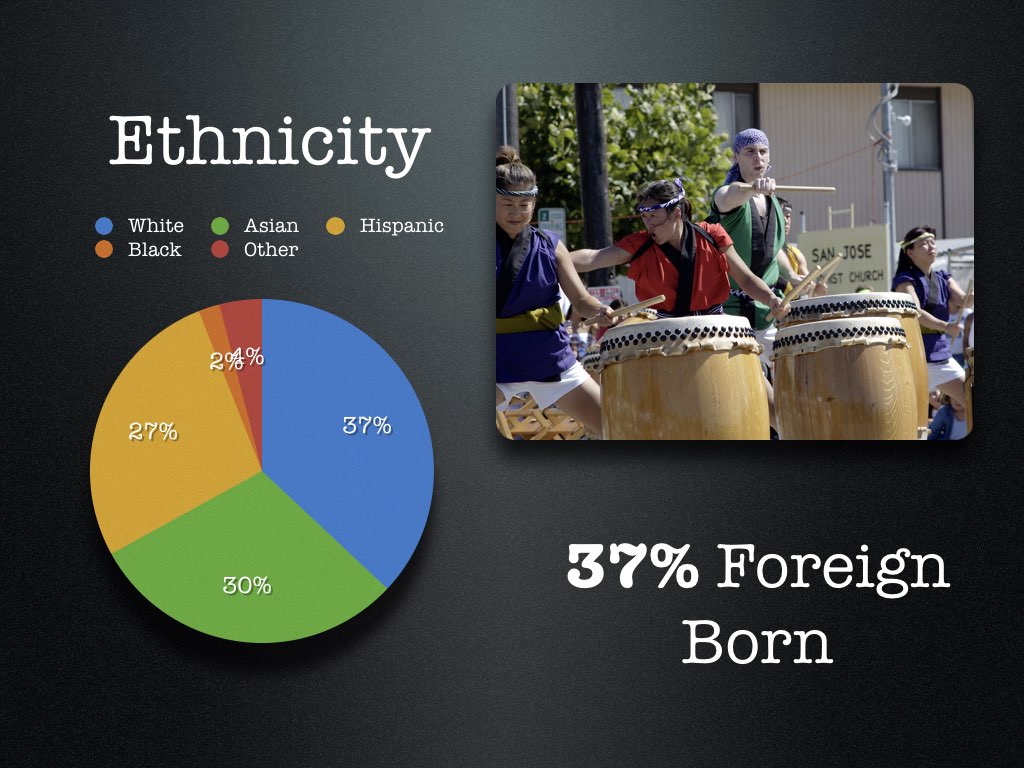
Languages Spoken At home
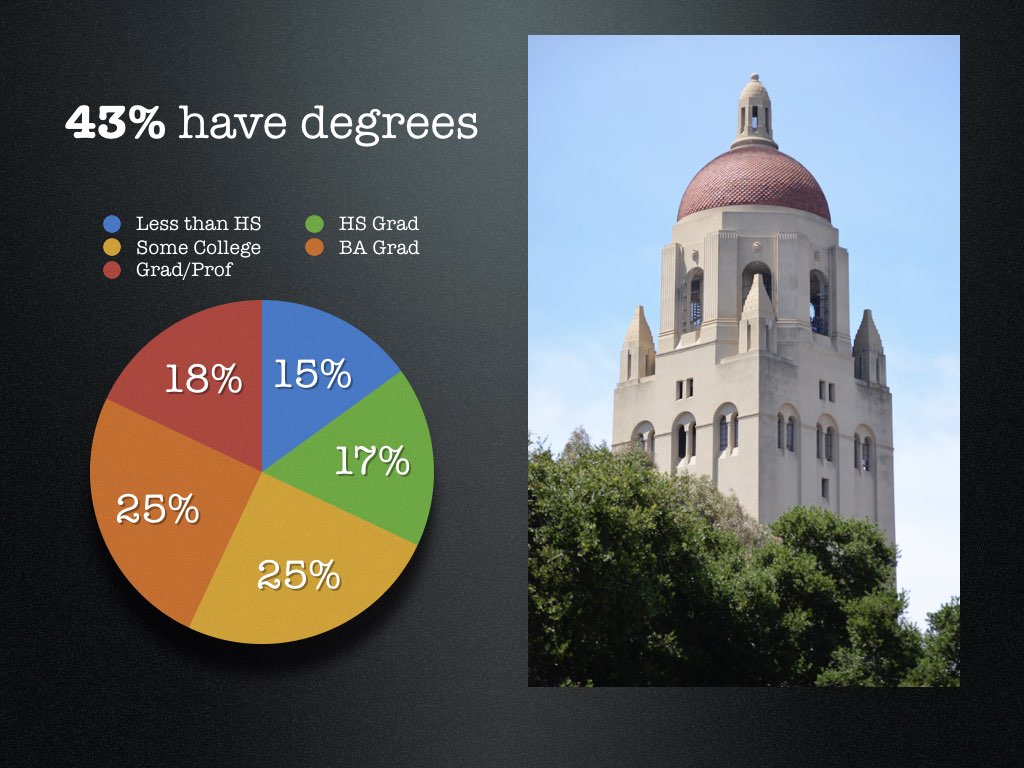
Educated

43% have degrees
BountifulEnvironment


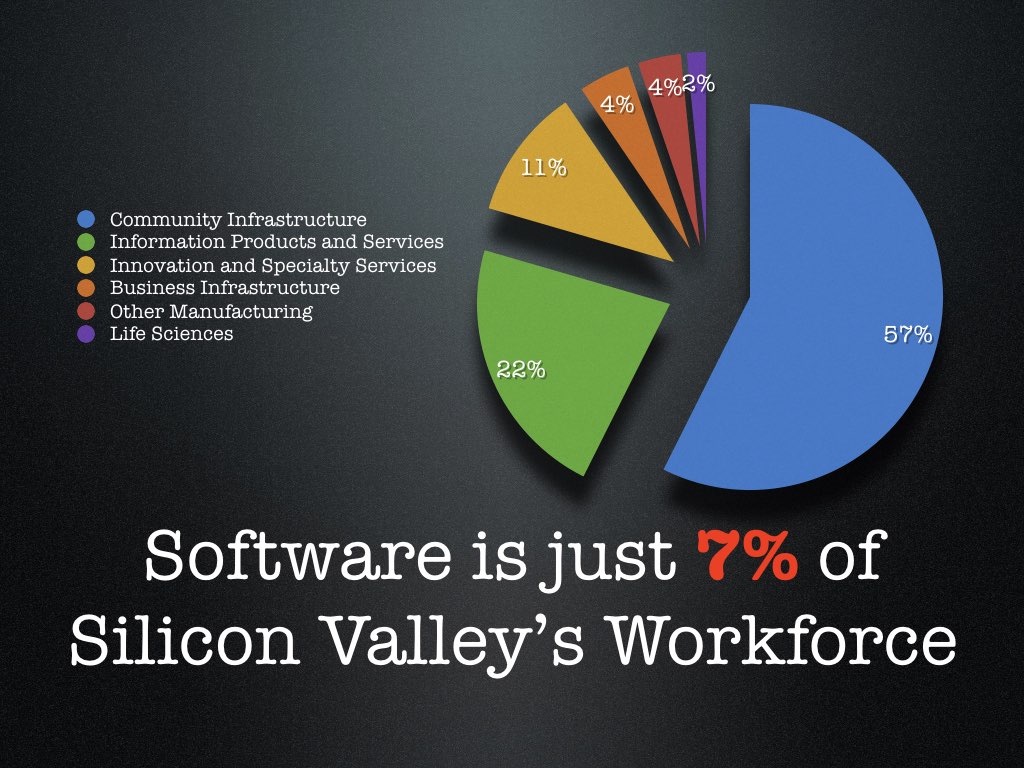
Vibrant Economy


Thinking about Innovation Hubs
People
Spatial Geography
Environment
Economic/Corporate
Culture/Society
Which of these factors are necessary conditions?

Thinking about Innovation Hubs
People
Spatial Geography
Environment
Economic/Corporate
Culture/Society
Today’s Agenda

Today’s Agenda

Admissions

Holistic

Problem:Three Groups
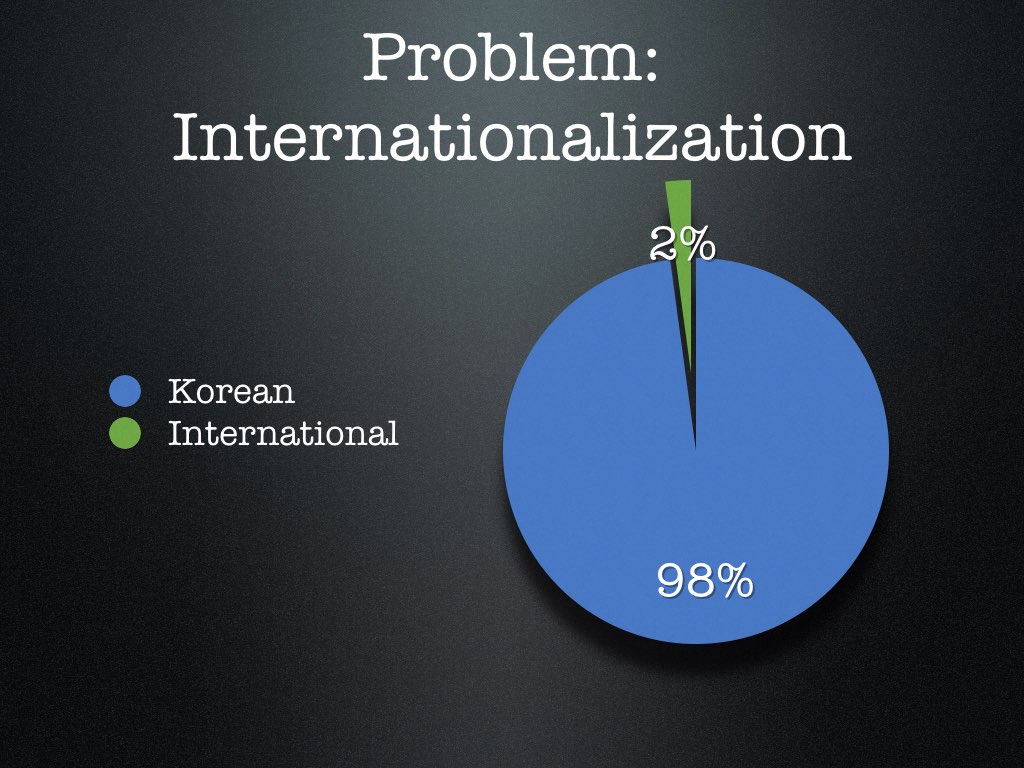
Problem: Internationalization
Today’s Agenda

Freshman Design


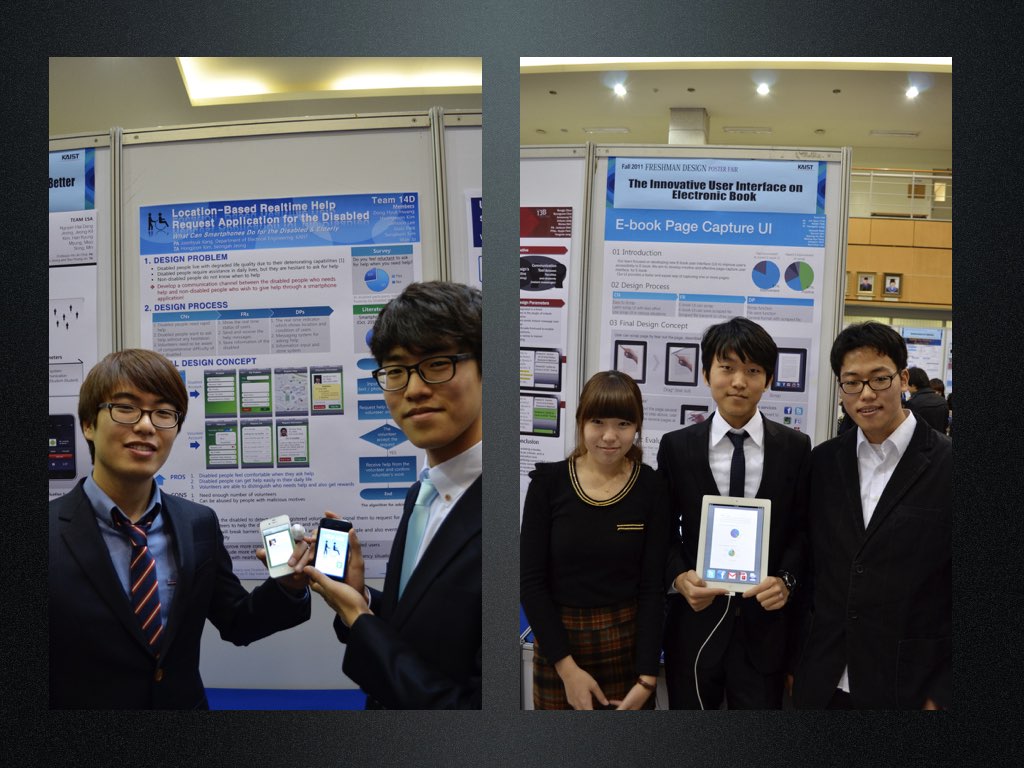

Major Choices

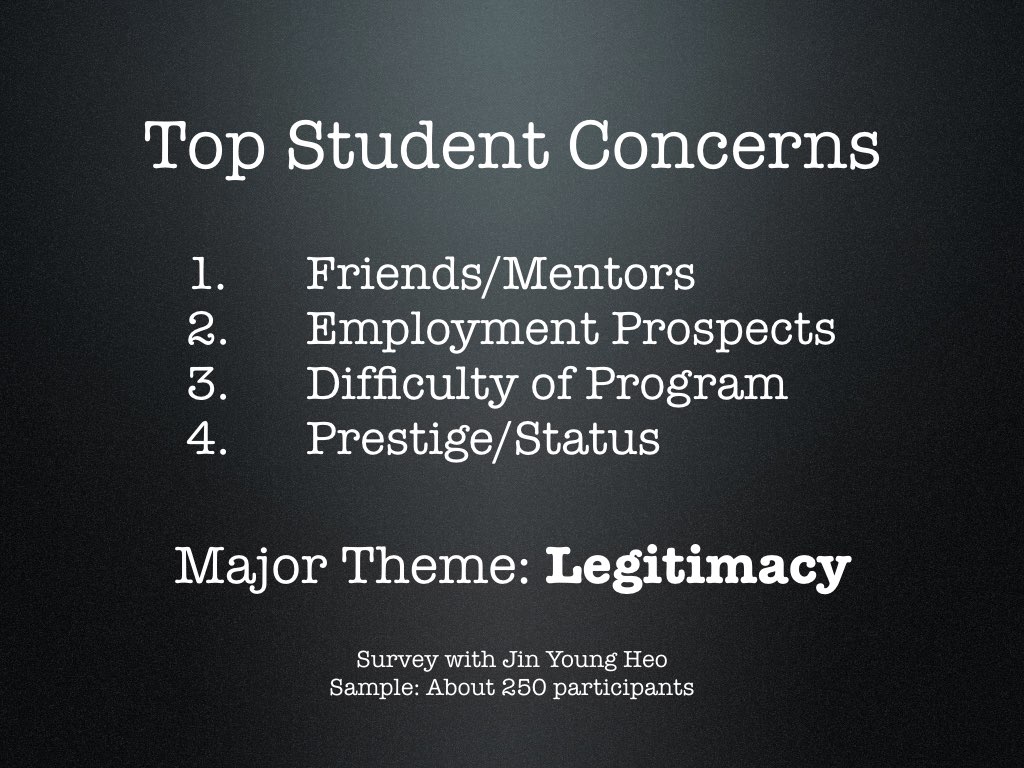
Top Student Concerns

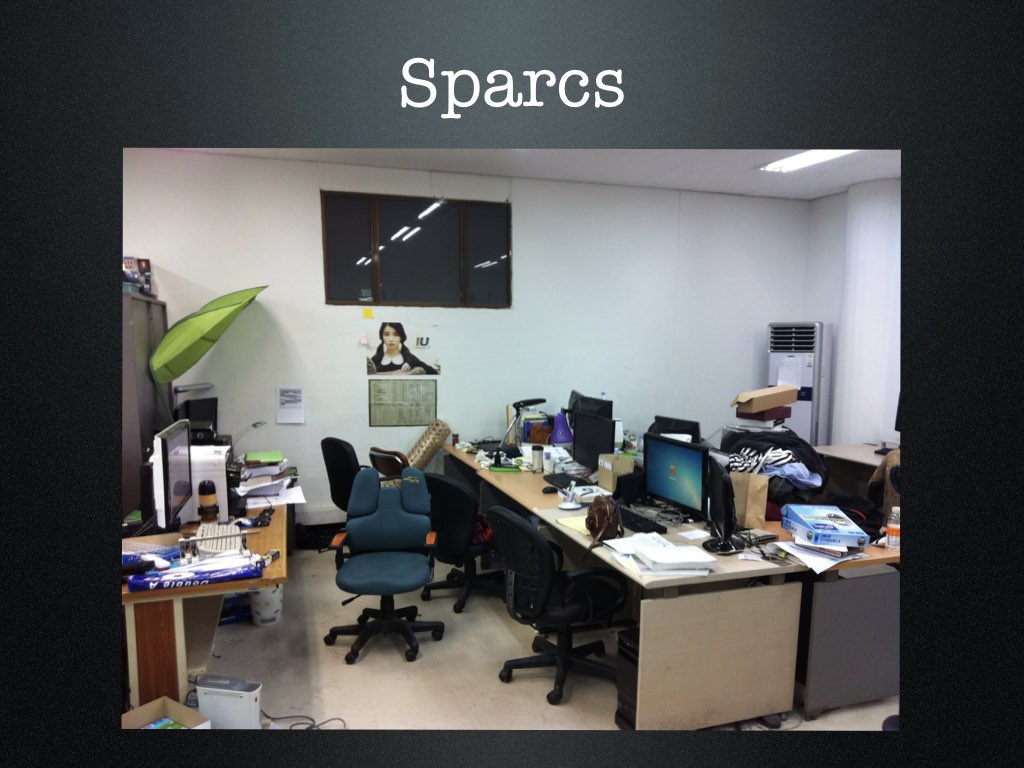
Sparcs

Sparcs
Today’s Agenda
Corporate

Corporate Relations
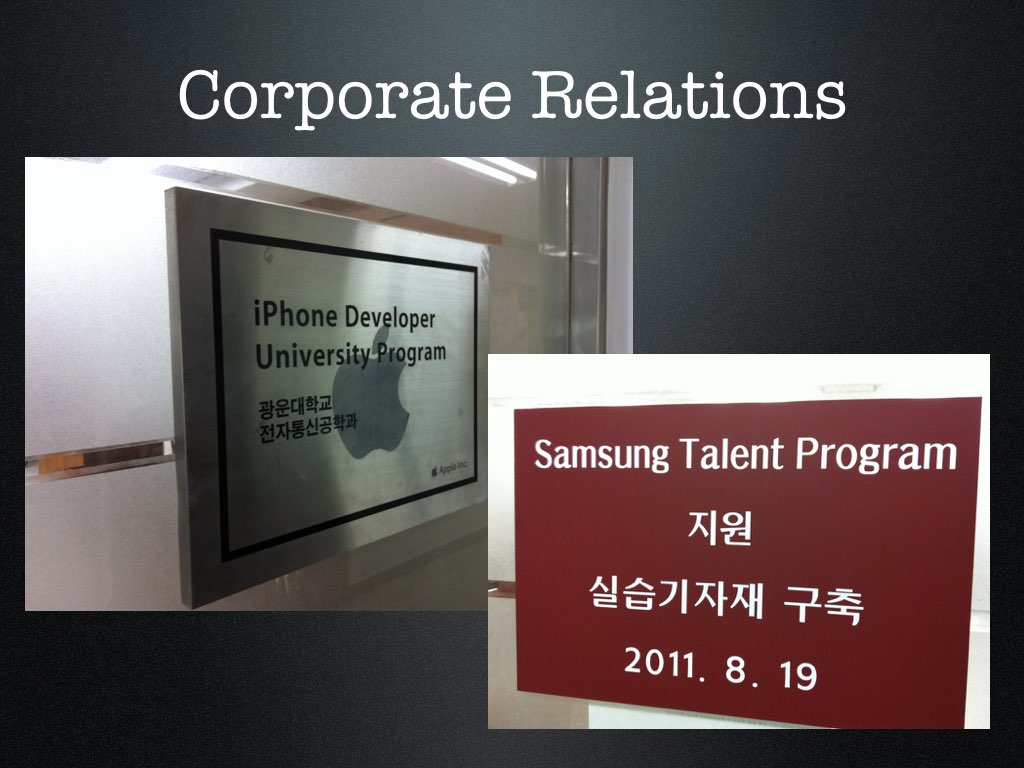
Samsung Clubs

Today’s Agenda

Thinking about Innovation Hubs
People
Spatial Geography
Environment
Economic/Corporate
Culture/Society
Questions?

➜ Continue reading...
Growing Korea's Innovation Garden

By Danny Crichton
Fulbright Fellow
Agenda
Fulbright Program
Research
“Growing Korea's Innovation Garden Toward Decentralization in Education and High-Tech Policy”
Travels around Korea
Fulbright Program

Some Facts
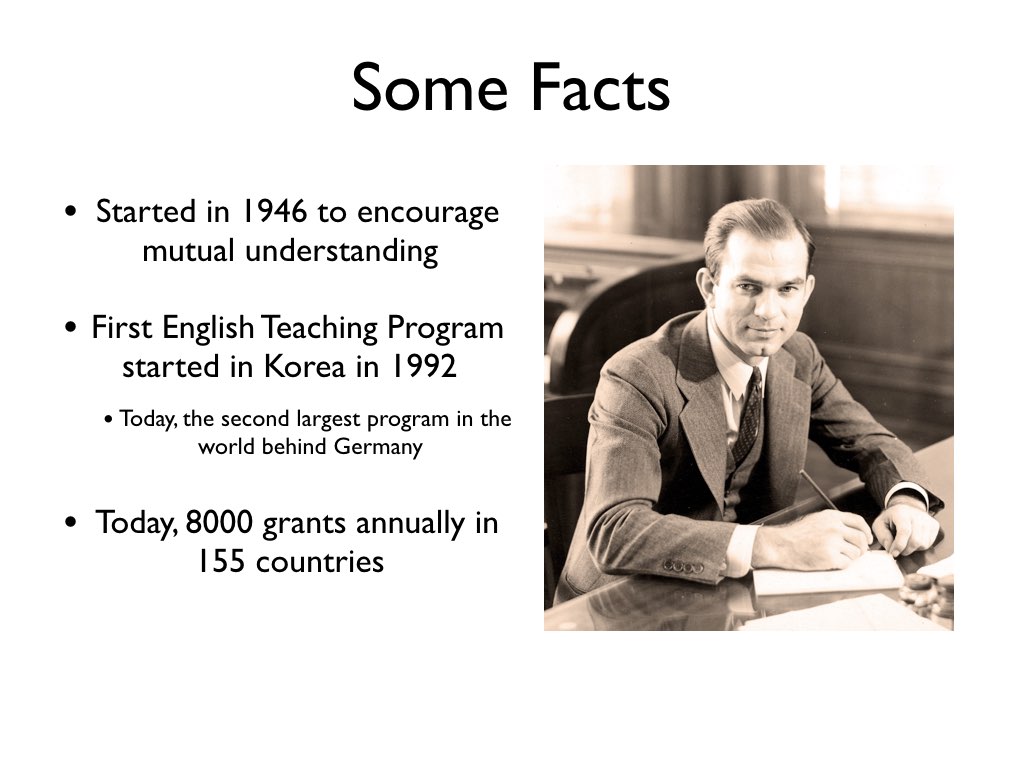
Started in 1946 to encourage mutual understanding
First English Teaching Program started in Korea in 1992
Today, the second largest program in the world behind Germany
Today, 8000 grants annually in 155 countries
Fulbright Student Grant
Three Components
Research
Language
Cultural Engagement
Fulbright Student Grant

Three Components
Research
Language
Cultural Engagement
Research

Research Synthesis Innovation Garden

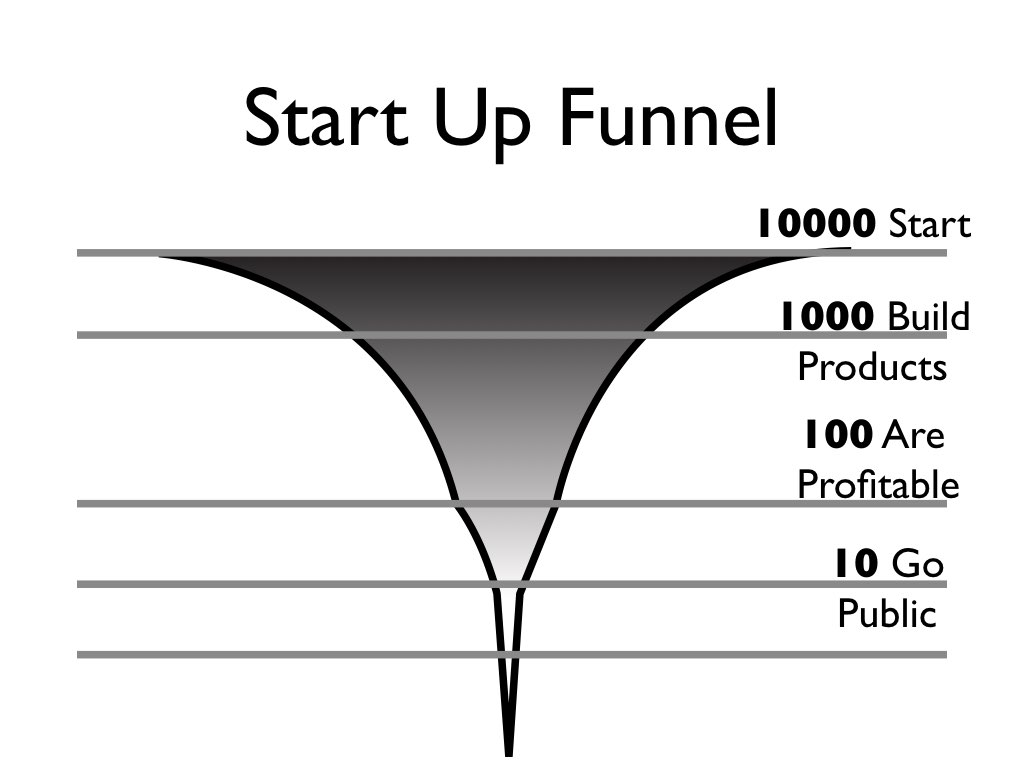
Seeds: Start-Ups

Germination: Growth

Blooming: Success

Wilting: Missed

Tree: Super Success

Start Up Funnel
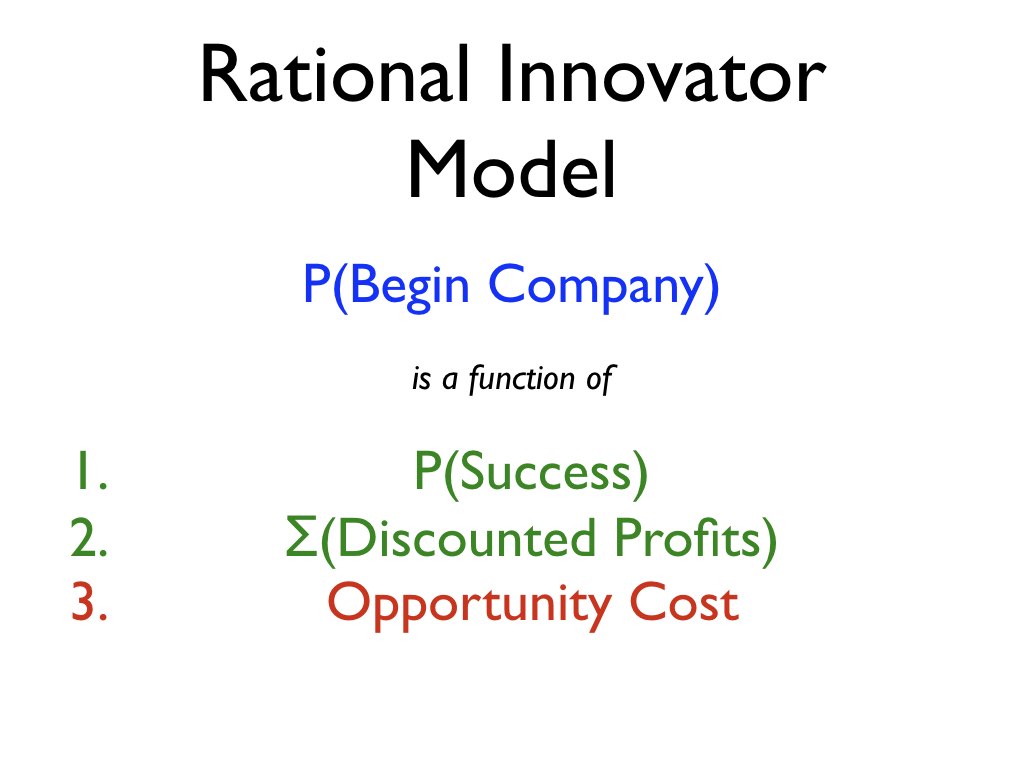
Rational Innovator Model
Ceteris Paribus...
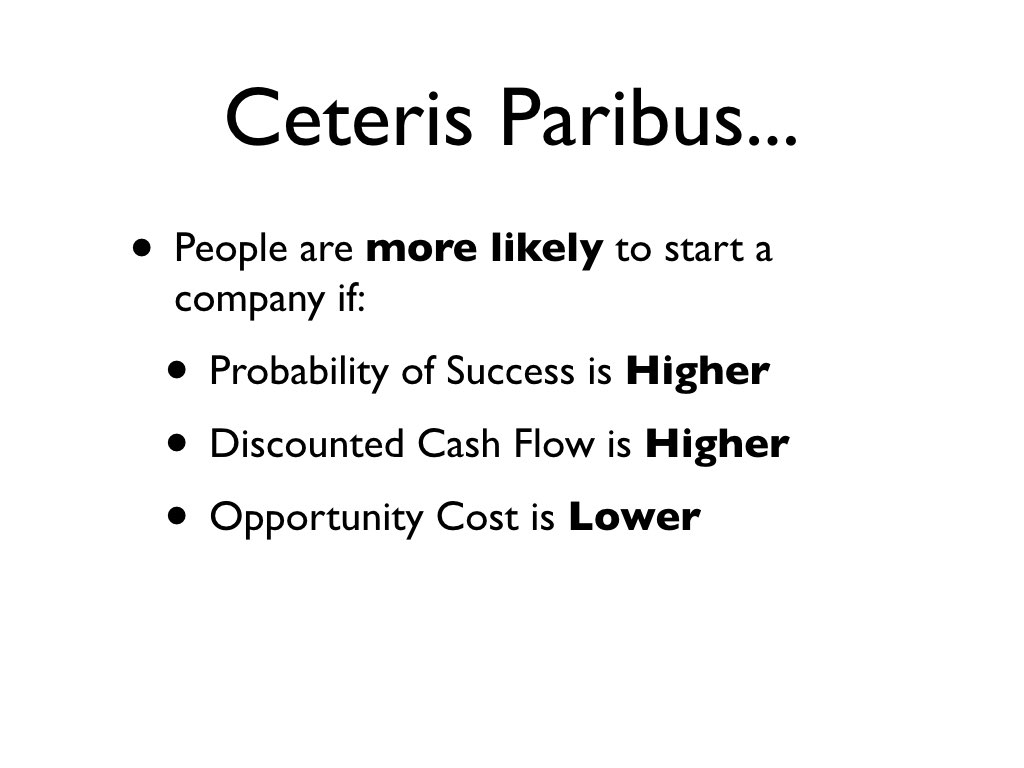
People are more likely to start a company if:
Probability of Success is Higher
Discounted Cash Flow is Higher
Opportunity Cost is Lower
Innovation Garden Probability of Success
Soil: Policy and Talent

Soil: Policy and Talent

Policy Infrastructure
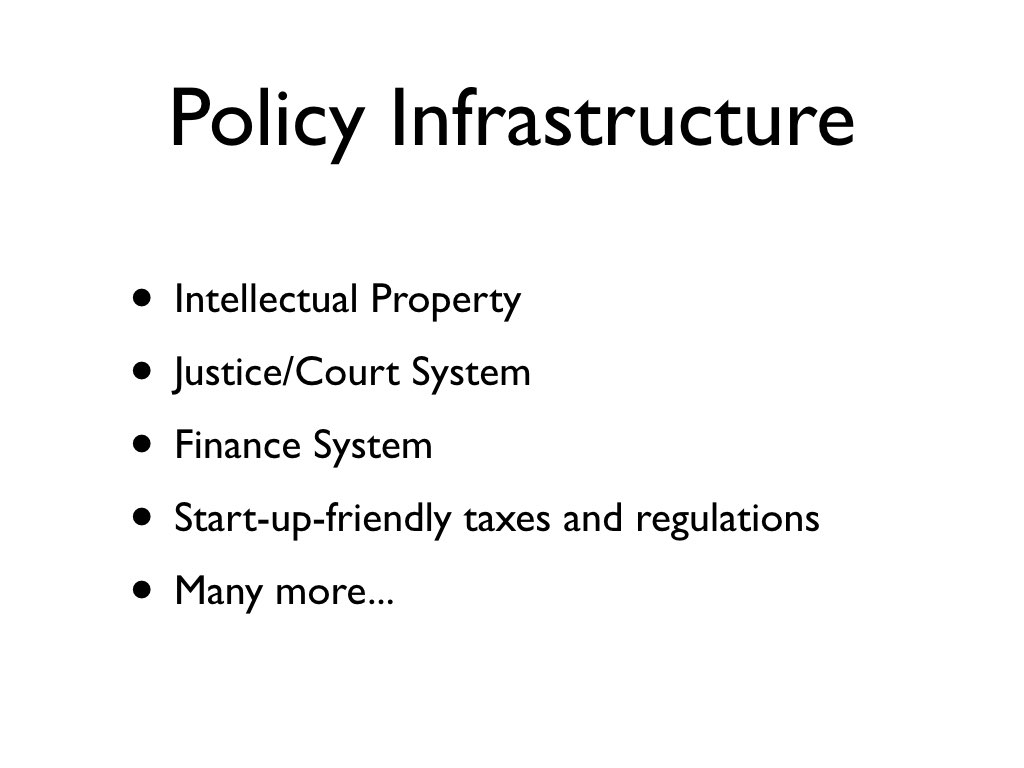
Intellectual Property
Justice/Court System
Finance System
Start-up-friendly taxes and regulations
Many more...
Finding Talent
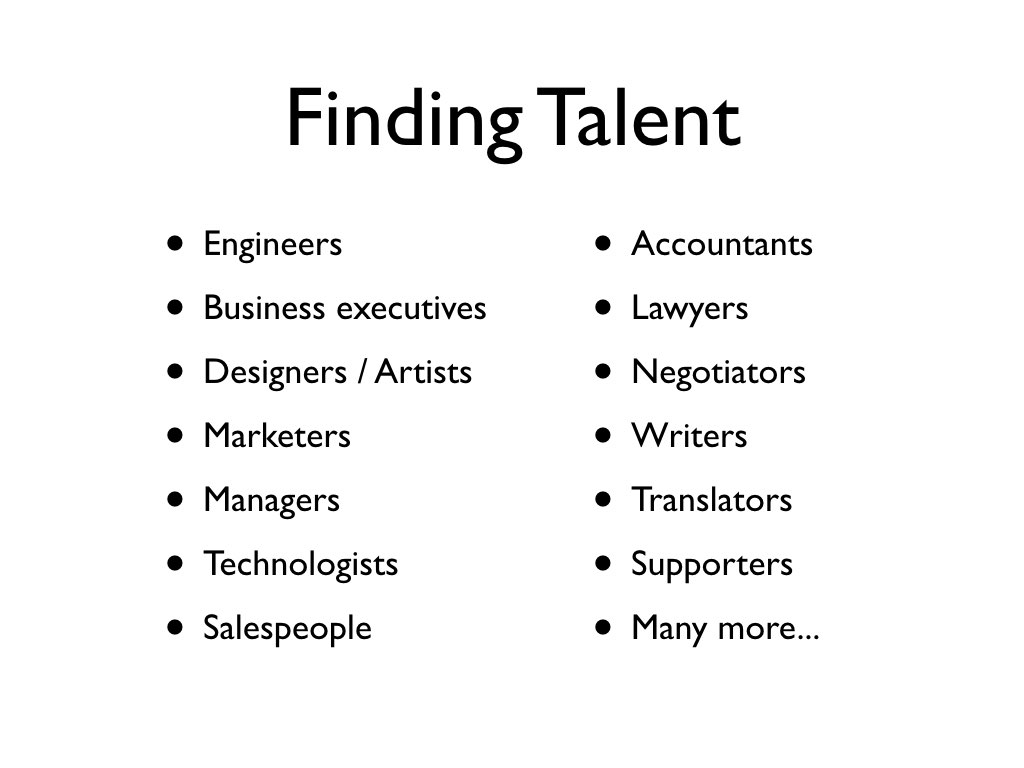
Engineers
Business executives
Designers / Artists
Marketers
Managers
Technologists
Salespeople
Accountants
Lawyers
Negotiators
Writers
Translators
Supporters
Many more...
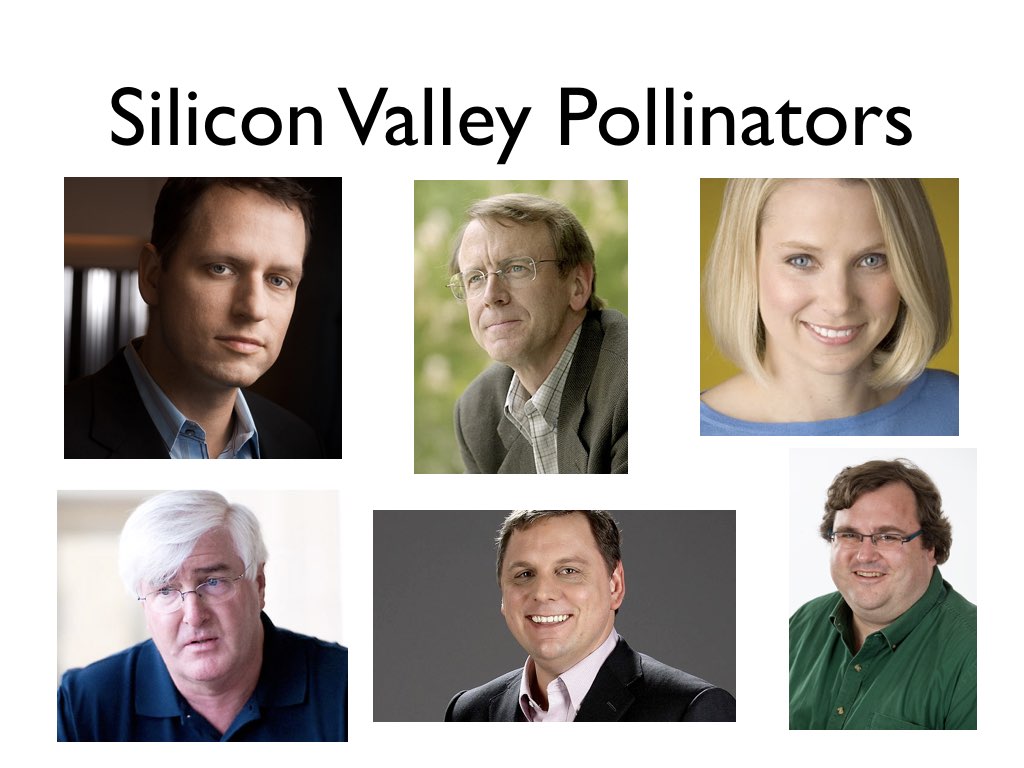
Pollination: Advisers

Silicon Valley Pollinators
Water: Money


Flood: Too Much Money

Sunlight: Attention

Pollination: Advisers

Innovation Garden Summary
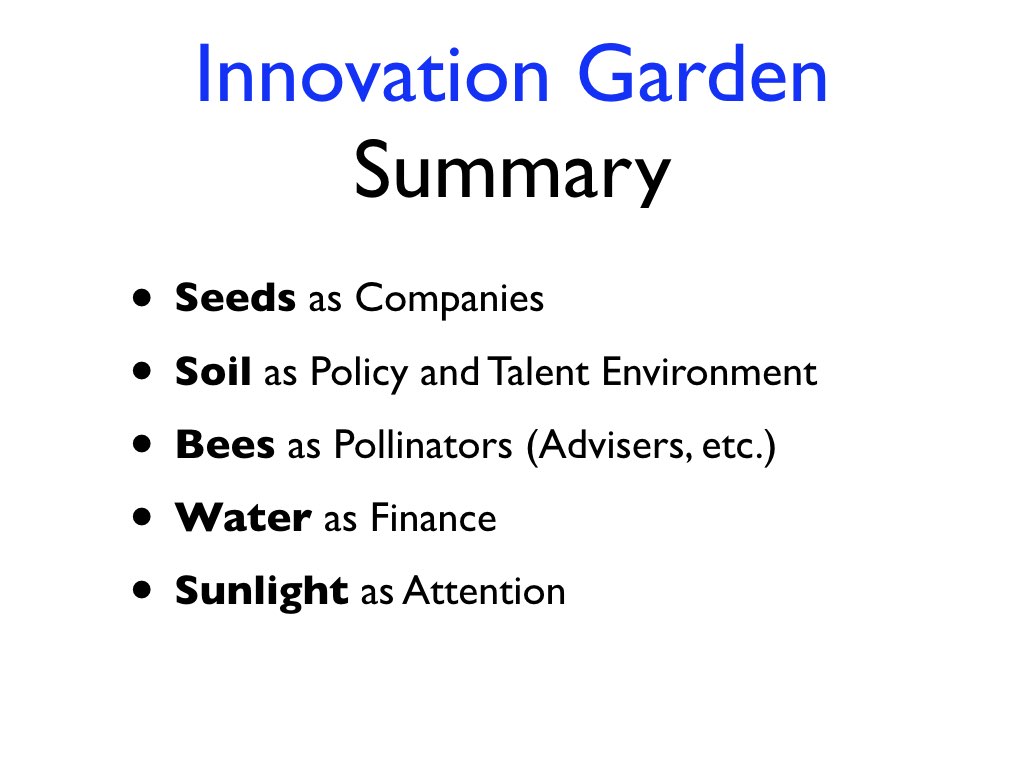
Seeds as Companies
Soil as Policy and Talent Environment
Bees as Pollinators (Advisers, etc.)
Water as Finance
Sunlight as Attention
Research Application South Korea



Research Observations

Innovation Garden Summary
Seeds as Companies
Soil as Policy and Talent Environment
Bees as Pollinators (Advisers, etc.)
Water as Finance
Sunlight as Attention
One Interesting Statistic
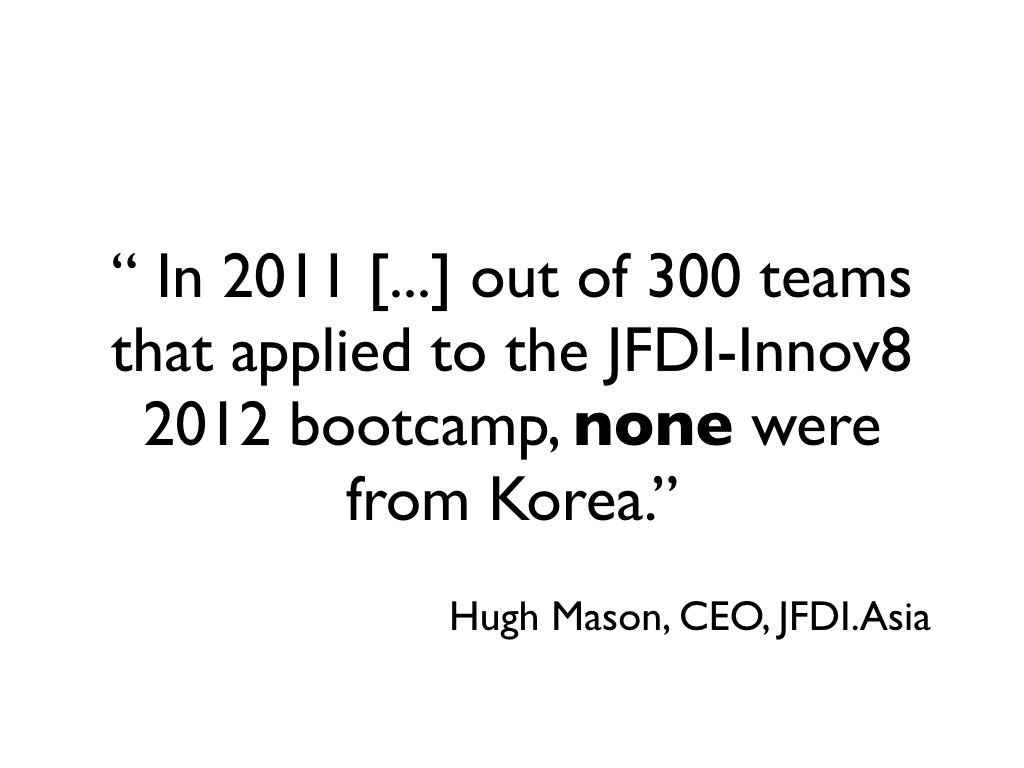
“In 2011 [...] out of 300 teams that applied to the JFDI-Innov8 2012 bootcamp, none were from Korea.”
Where do the seeds go?

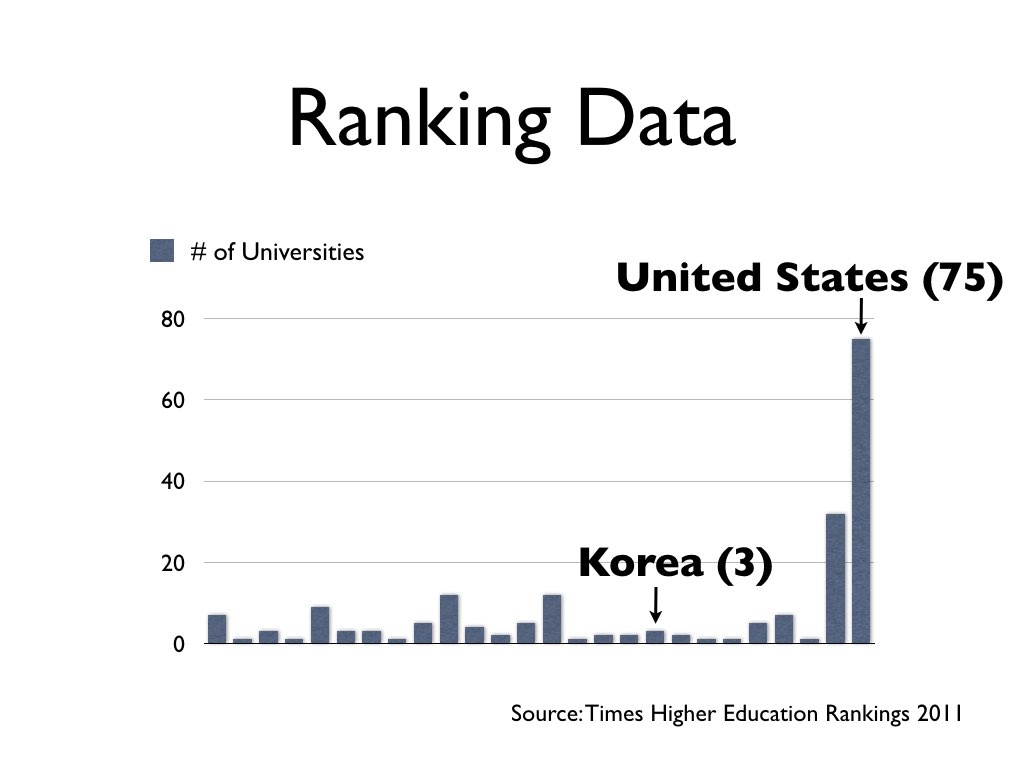
Ranking Data
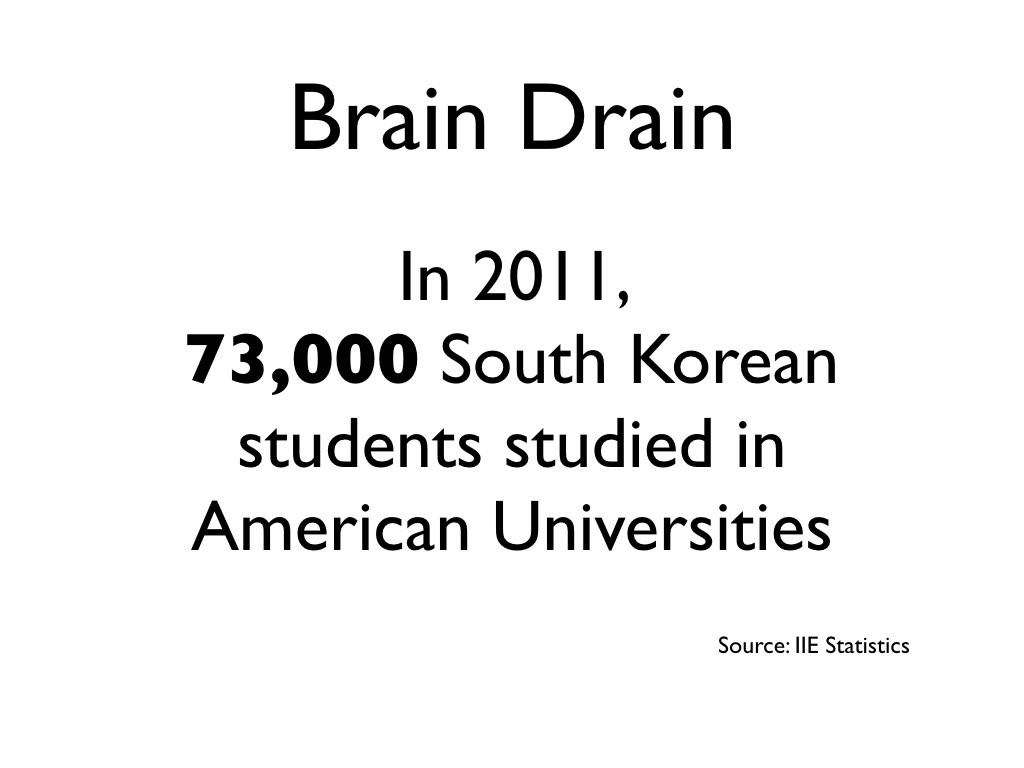
Brain Drain
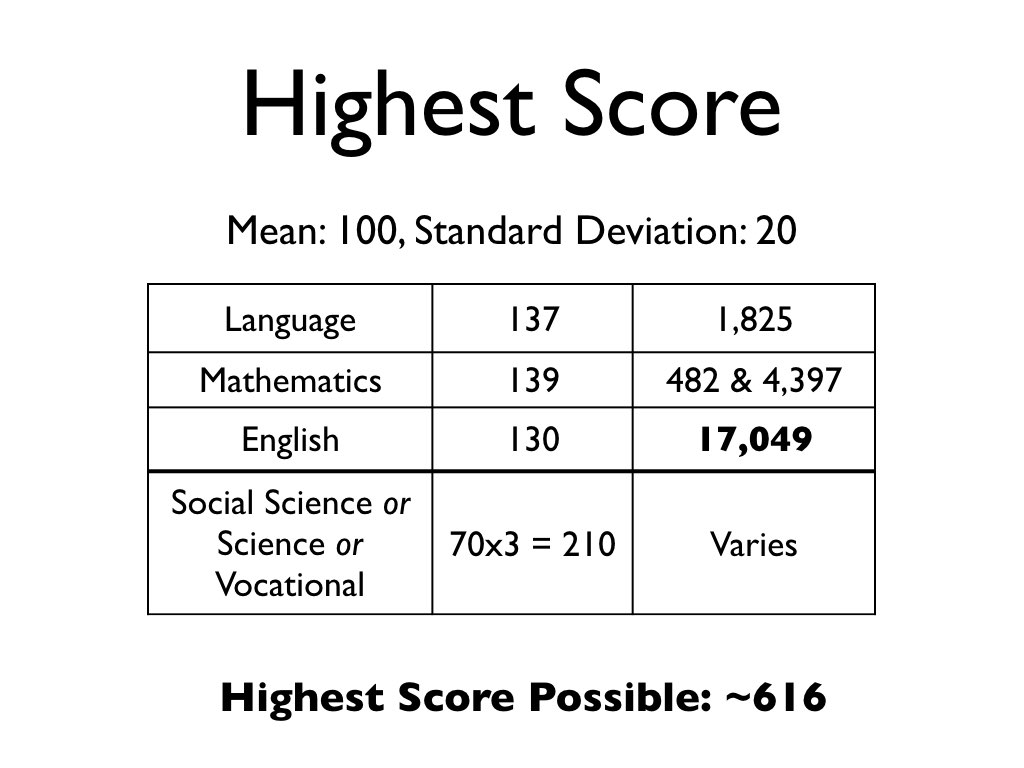
CSAT Suneung (수능)


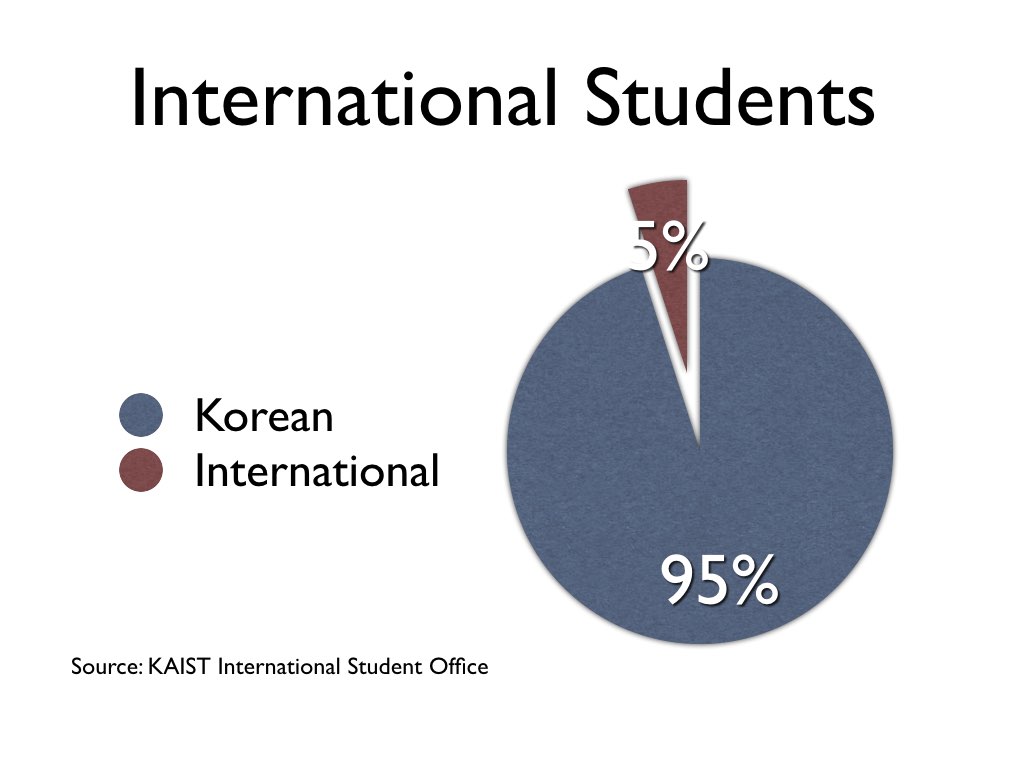
International Students
37% Foreign Born
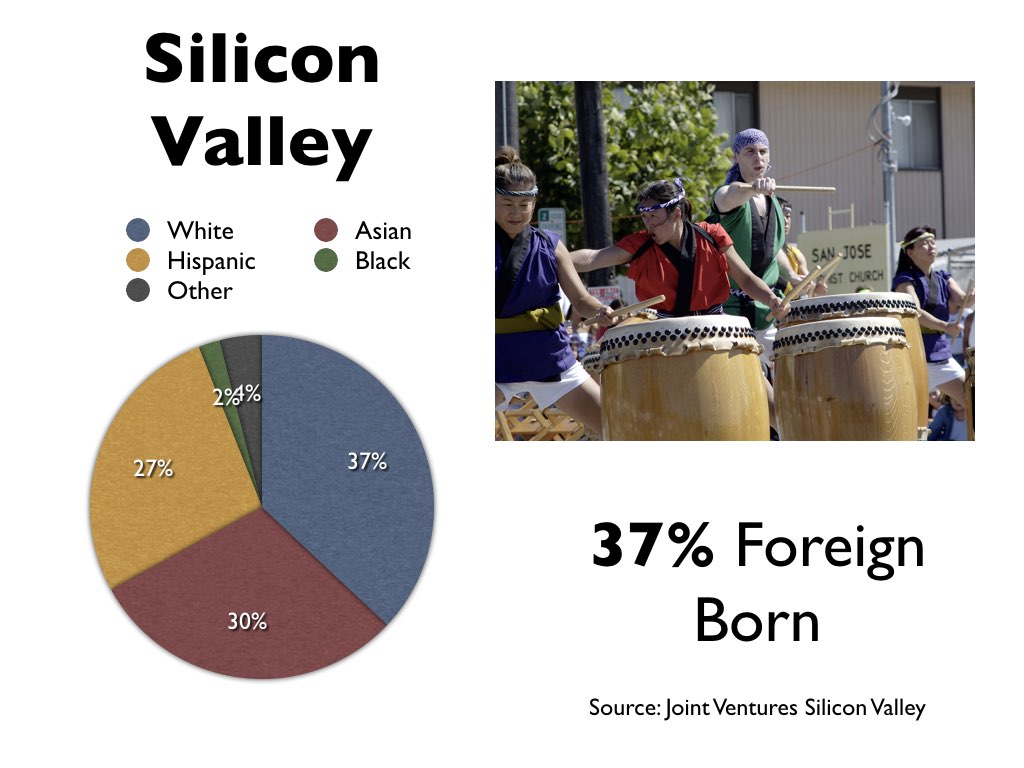
Languages Spoken At home
Creating Thinkers: Freshman Design Program
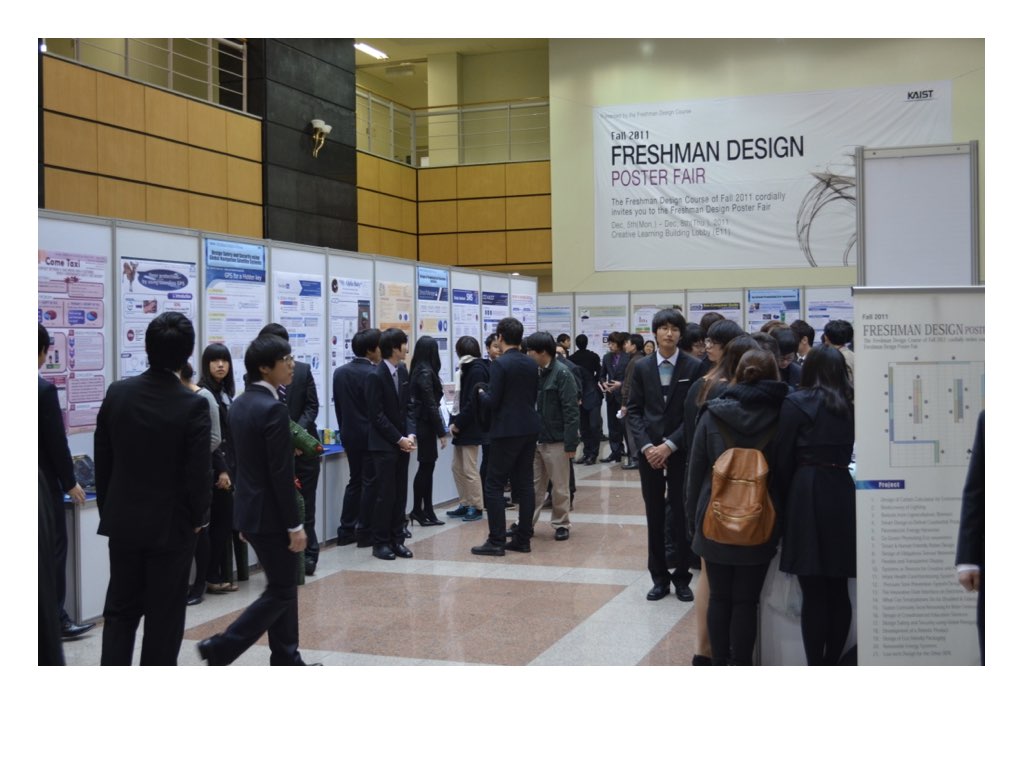
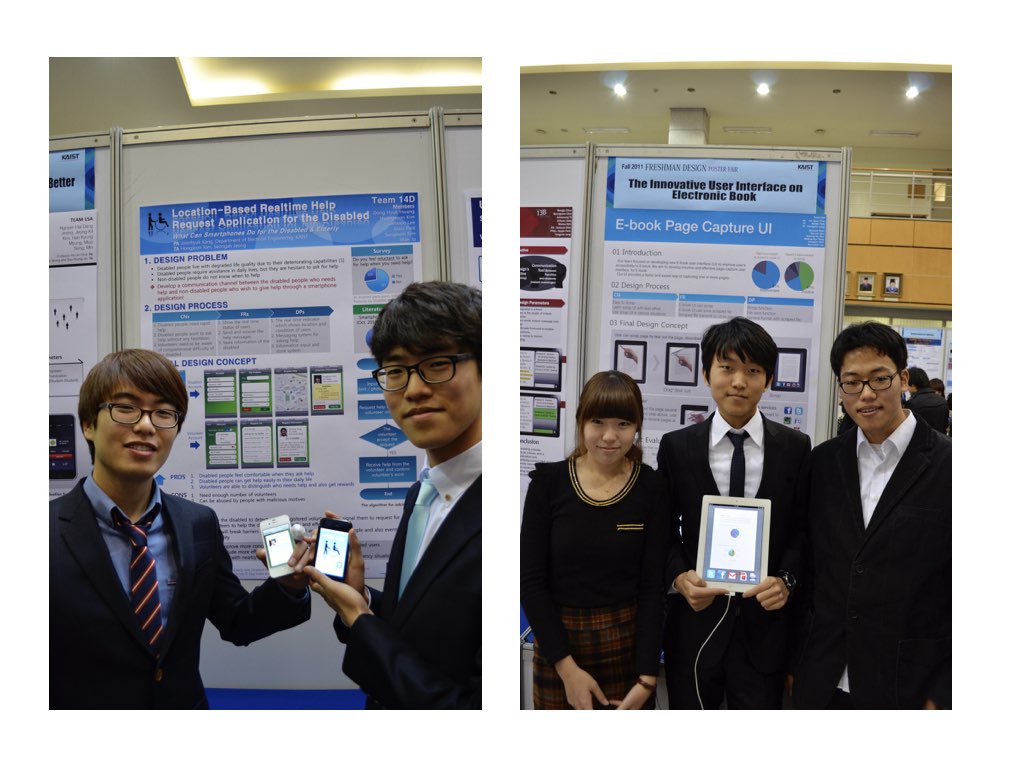

Innovation Garden Summary
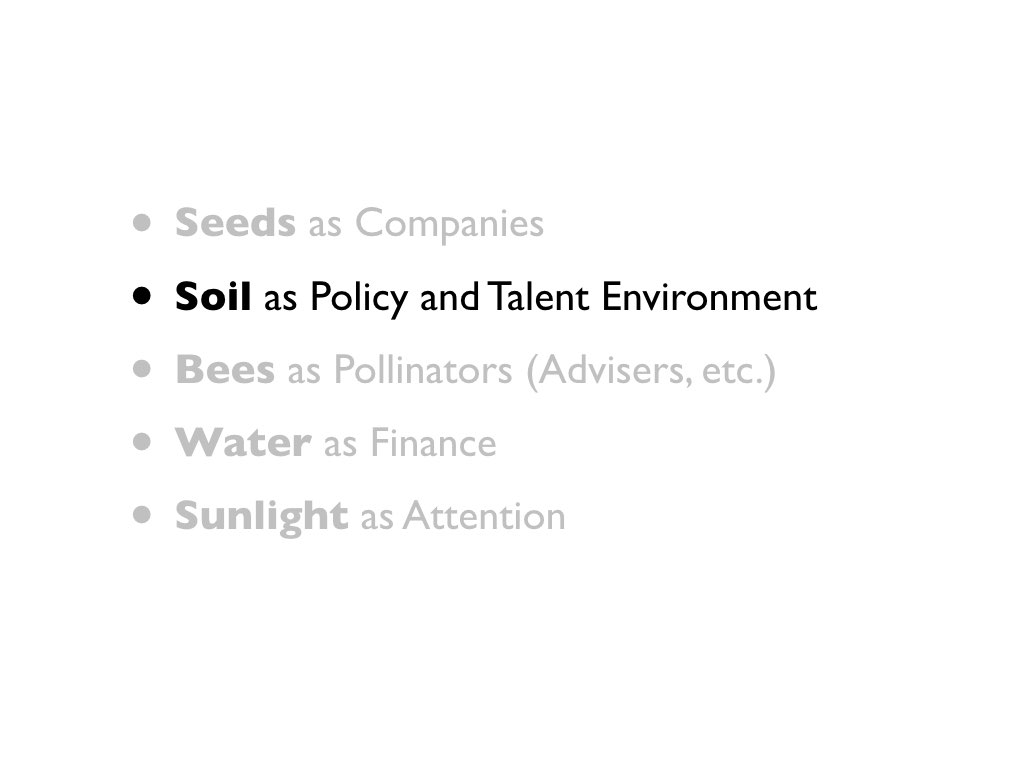
Seeds as Companies
Soil
➜ Continue reading...