I want to thank the organizers of Key Platform 2014 to speak today. My name is Danny Crichton, and I am a writer at TechCrunch, writing about startups in South Korea, Asia, and in Silicon Valley. Many people seem to think that much has changed over the last 50 years when it comes to journalism.
A History of
Little Change
That notion is false. Despite the incredible technological progression made in all kinds of industries like commerce, social communications, enterprise storage, security, and information retrieval, news content and journalism more generally hasn’t changed all that much over the past 50 years. I realize I am being a bit contrarian, but let me show you the evidence.
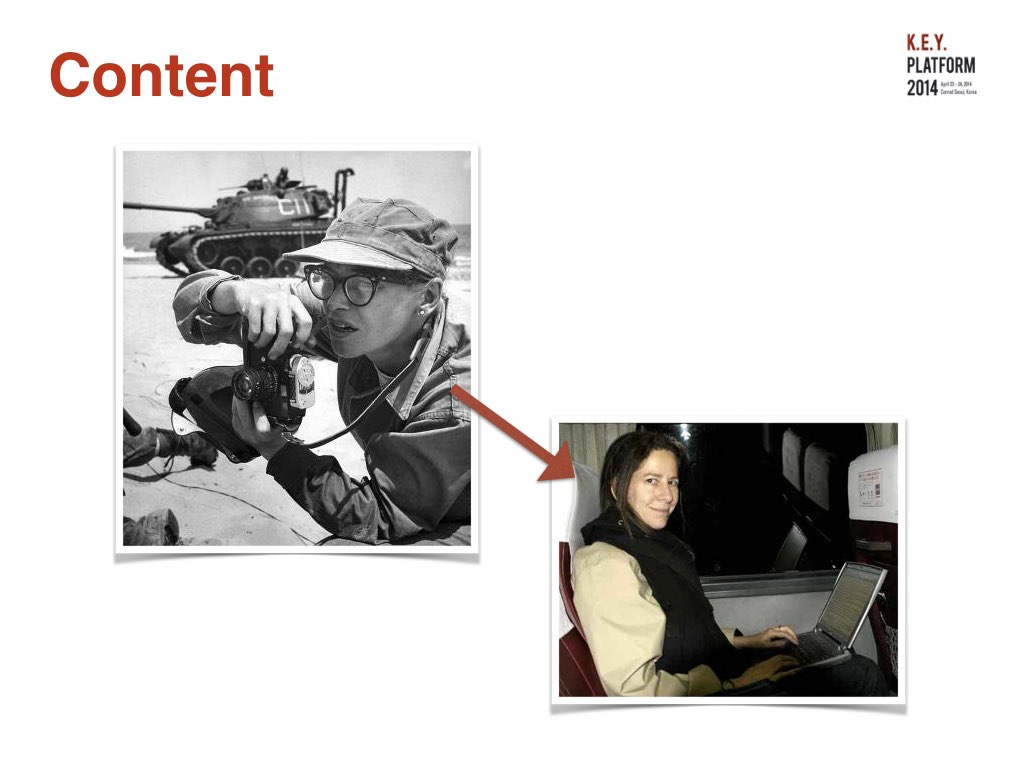
For instance, content today for news sites is developed much the way it has been for decades. Journalists around the world interview subjects, take photos and video, write up stories or maybe edit a short documentary, and then post it to the web. While technology has certainly made this process more streamlined through online editing tools, and the demands placed on journalists in producing content are higher today, the basics of the profession have really not changed all that much. Great content is visceral, engaging, interesting, and timely. That formula works as well during the 1960s as it does today.
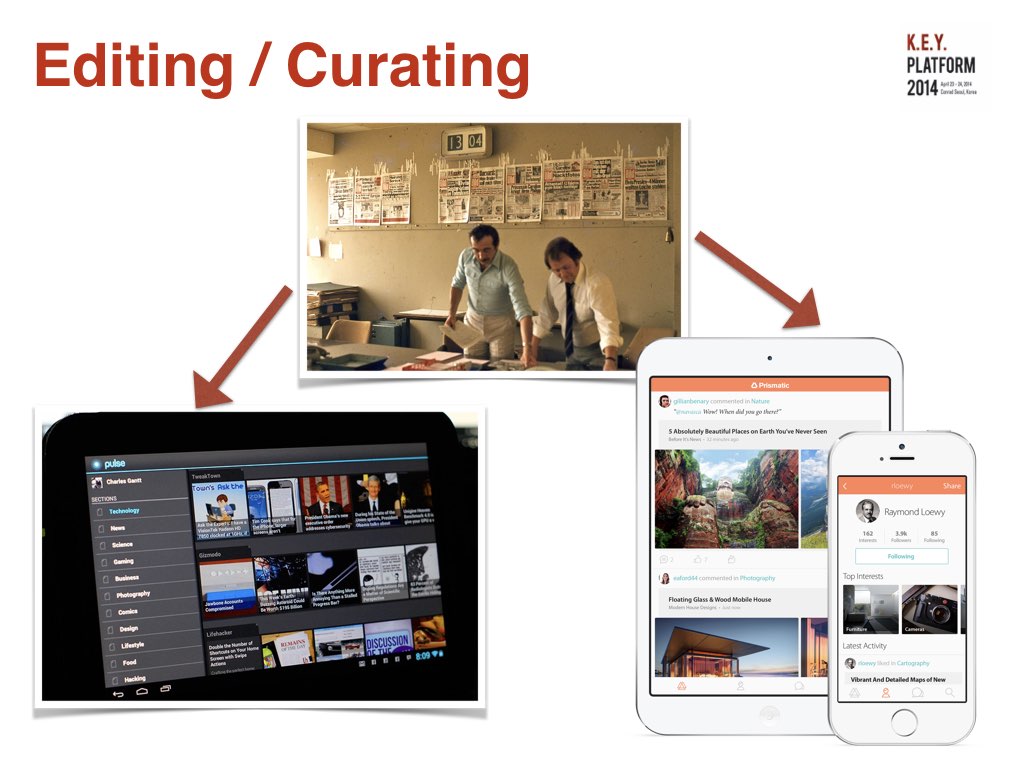
The way we edit and curate our work has changed a little bit, but there has been far less interesting results here than many presume. Before the internet, the number of writers of content was manageably small, and a small group of people called editors acted as gatekeepers for content. If you could get an editor at the New York Times interested in your story – you were published. There was definitely a bias here,
The news has been all over the press – Stanford's admissions rate has now reached 5%, and its implications for college applicants is clear: everyone is screwed.
This is false. As everyone knows about admissions, the aggregate admissions rate has almost no value to any student, since every student is bucketed into different groups with radically different acceptance rates. Athletes aren't facing a 5% acceptance rate, nor are legacies or development cases. Intel Science Talent Search winners aren't facing such long odds to success.
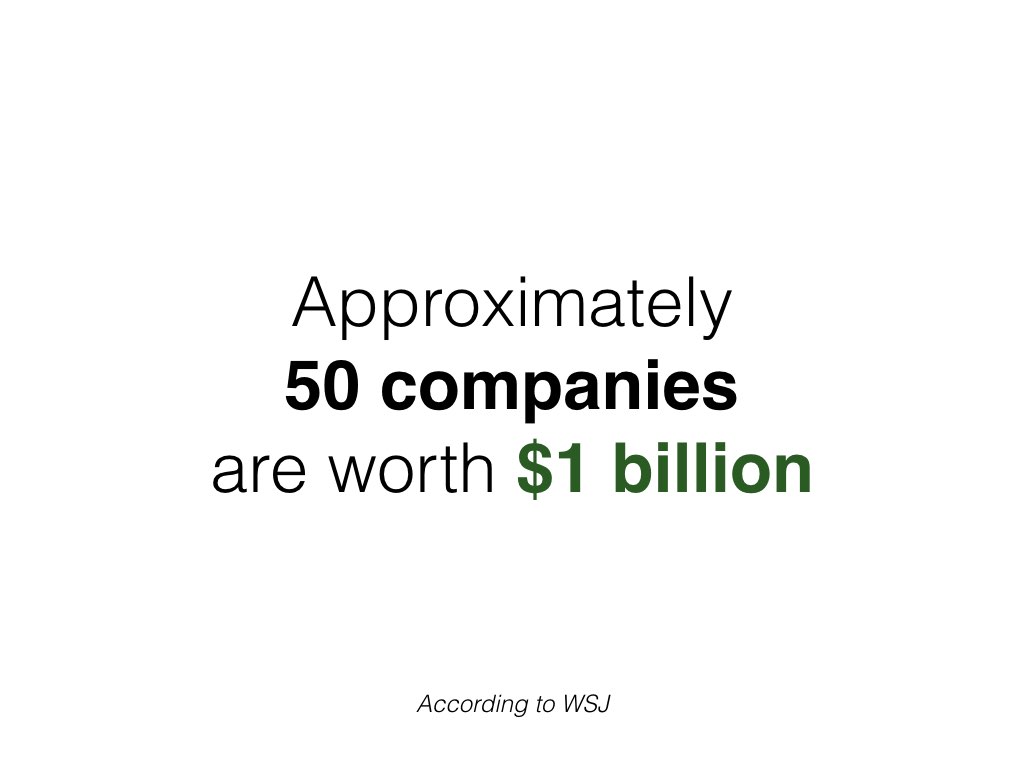
This thinking that everyone has an equal chance reminds me a lot of startups, where talk of a "lottery" persists. This is also false. Startups have uneven probabilities of success, much as applicants to college have uneven probabilities of success. People need to stop looking at an aggregate admissions statistic, or the chance of going from conception to a billion dollar company if they want to find success. The reality is, 95% of efforts are going to end in failure. The key is to find the reason why you should be disproportionately chosen, in applications and in a startup.
That said, despite the flurry of articles on admissions rates these past few days, there doesn't seem to be any depth of thinking about these statistics. Here are two questions I would love answered:
What is the makeup of the applicant pool? Admissions officials have been trying to increase the diversity of applicant pools for years through outreach events, etc. Are these programs working, and thus the applicant pools are becoming more diverse, or is it the opposite, that we are just getting applicants from the same groups we have always gotten them from in the past. You can't glean this from a single aggregate statistic, but it would seem to
Good grief! Not only do they force me to link to the article (which I might add, I had already added), but they included a link to their subscription page, and a Twitter reference to boot.
This is unacceptable. Why should someone who happens to see a headline on my news feed be accosted for cash? Wouldn't the best people to try to get to subscribe to a magazine be those who read the article and thought it was interesting.
You can see an interesting conversation about how to add this sort of feature to web pages here on StackOverflow. I was curious how a site could control your clipboard, since that would seem to be a major security violation. The trick, apparently, is to change the selection in the screen itself. Thus, when you select text, the Javascript adds additional content elements to the selection behind the scenes, so that when you copy and paste, the added text is copied as well.
Nifty. My question is, can we develop a means of stopping this manipulation?
Competitive Landscape/Market Maps
Customer Development
Metrics
Entering a Market
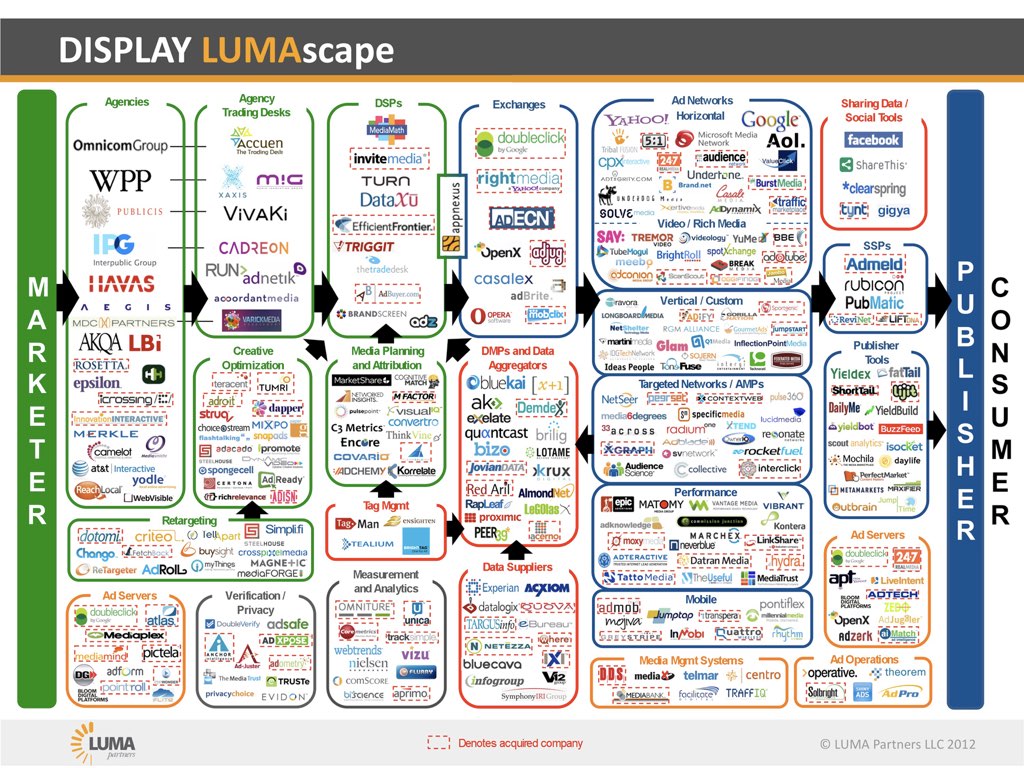
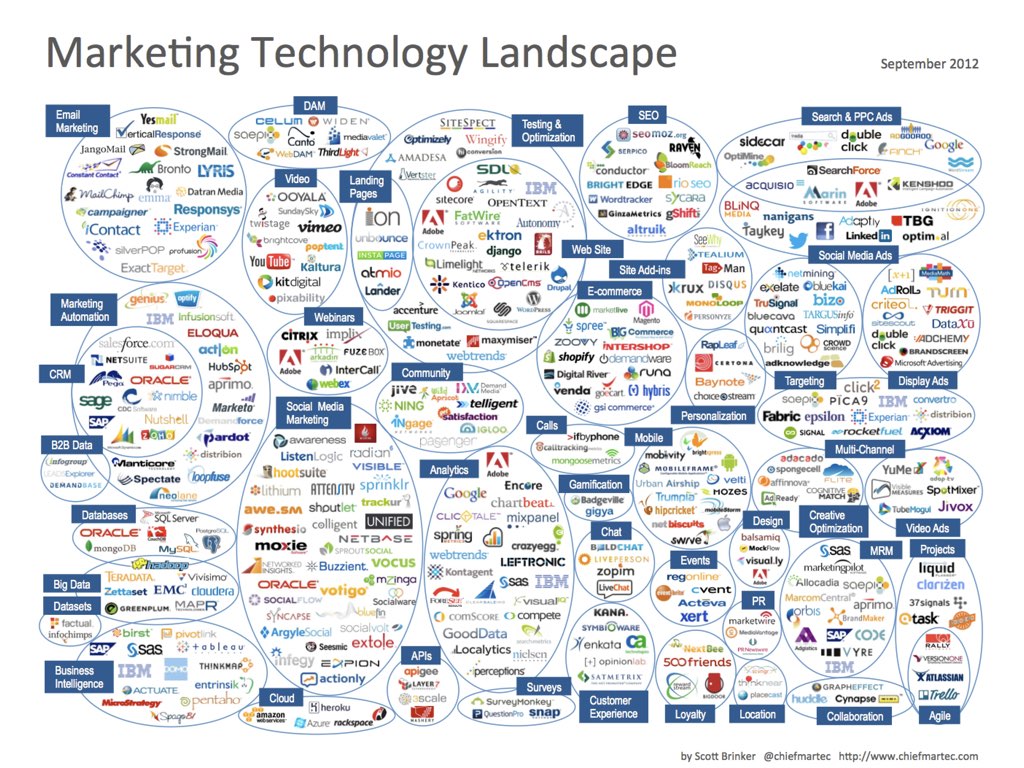
Competitive Landscaping
Competitive Landscape/Market Maps
Customer Development
Metrics
Competitive Landscaping is about finding what companies already exist in a given market
What is a
Market Map?
What is a
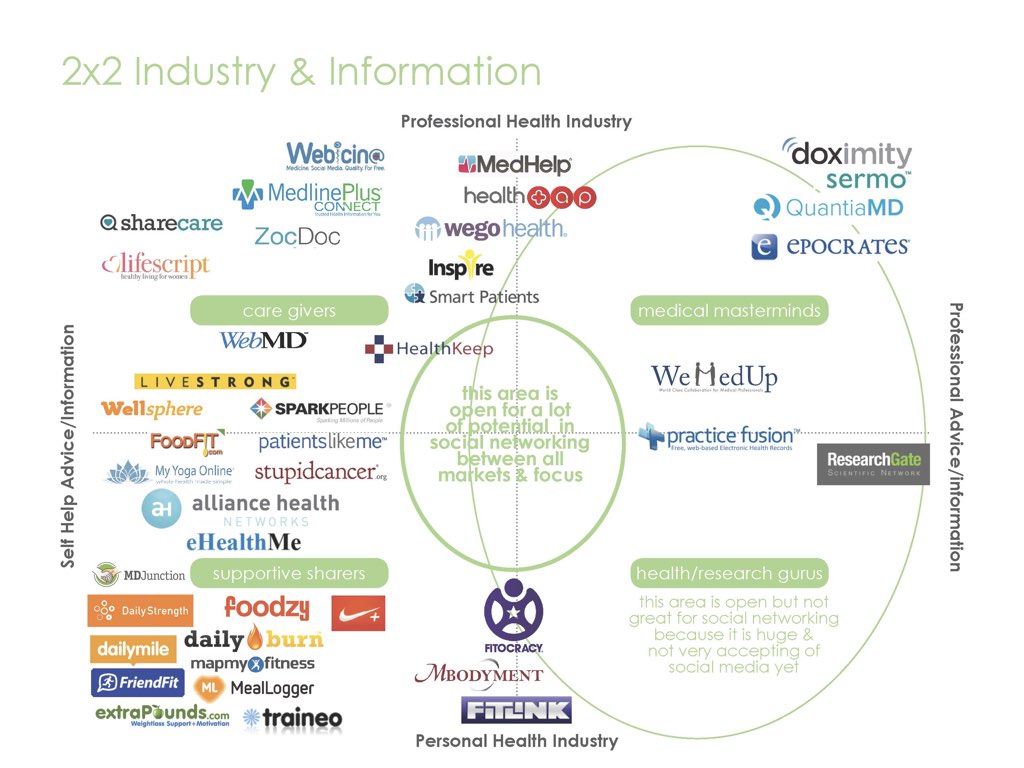
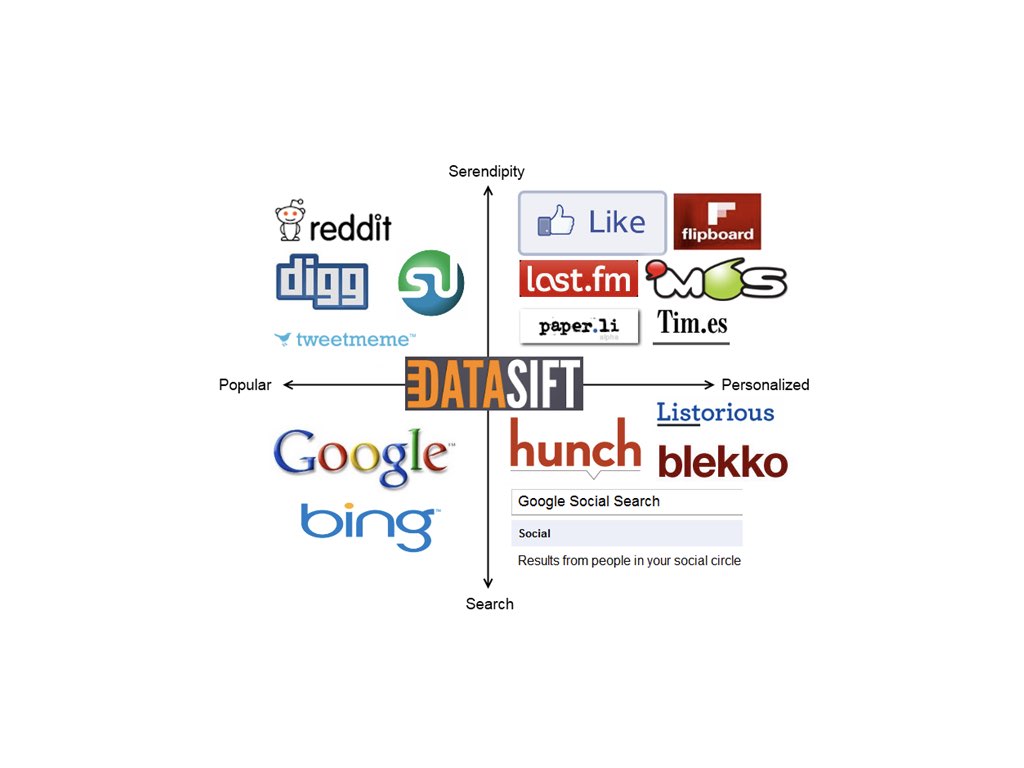
Competitive Matrix?
How do I find my competitors?
Example
Alternative Investing Startups
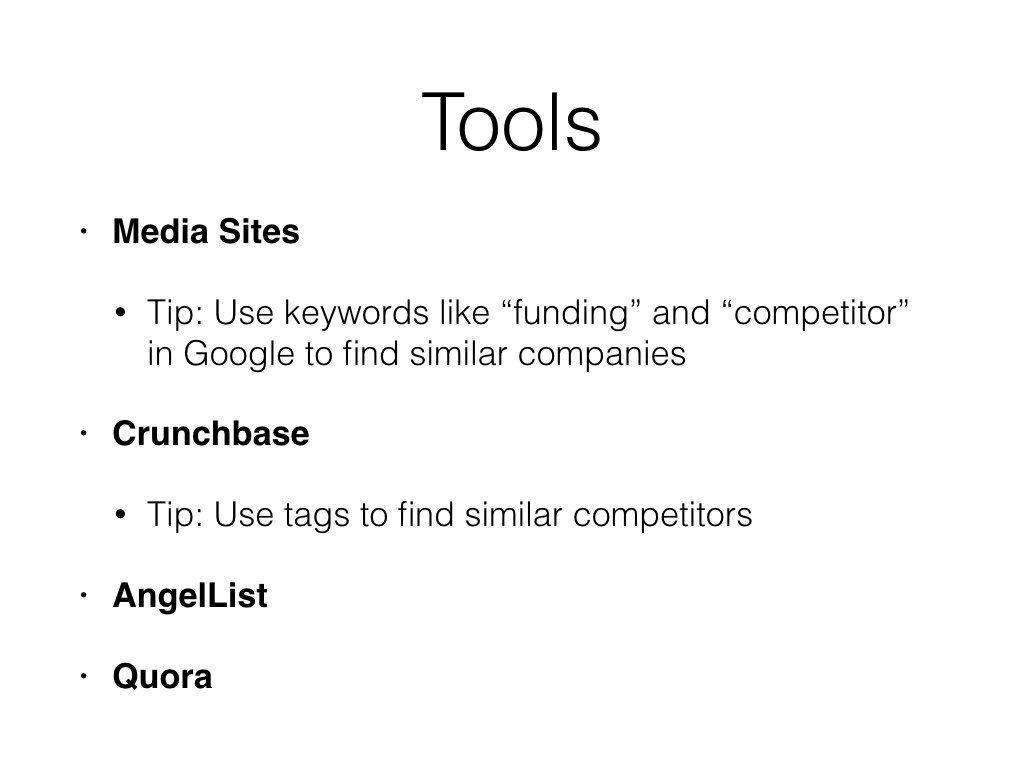
Tools
Media Sites
Tip: Use keywords like “funding” and “competitor” in Google to find similar companies
Crunchbase
Tip: Use tags to find similar competitors
AngelList
Quora
Entering a Market
Customer Development
Competitive Landscape/Market Maps
Customer Development
Metrics
Our goal:
Who wants
our products?
Most Important Decision Ever Made by a Startup:
B2C or B2B
For American Consumers:
Read Mary Meeker’s Internet Trends report
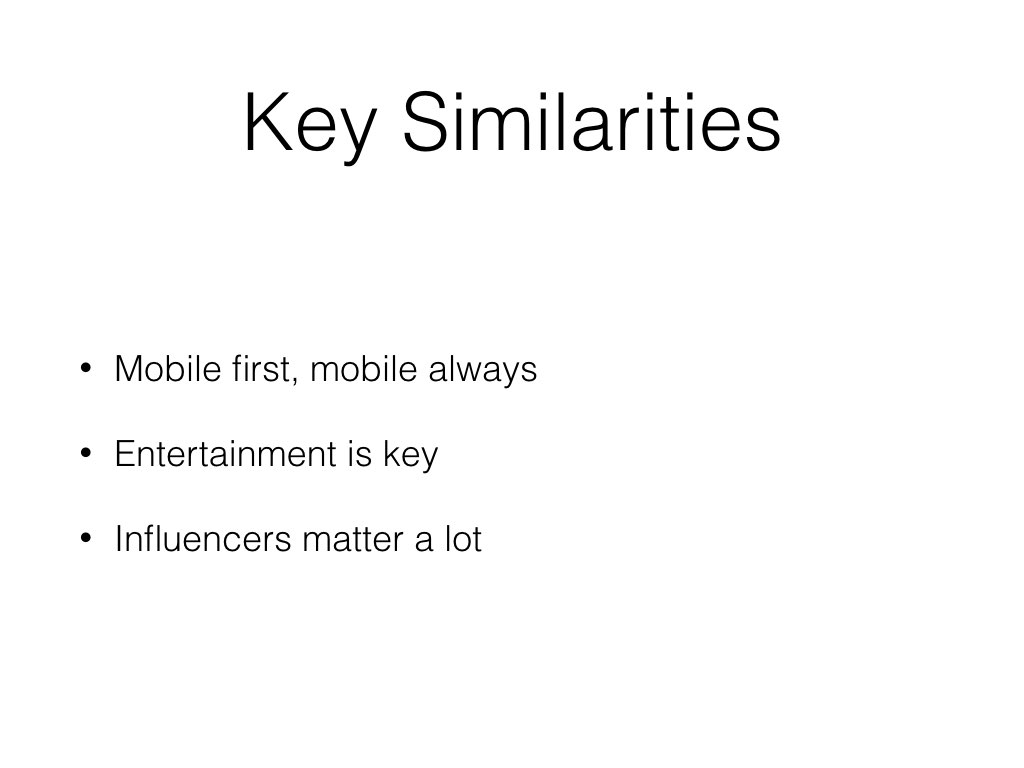
Key Similarities
Mobile first, mobile always
Entertainment is key
Influencers matter a lot
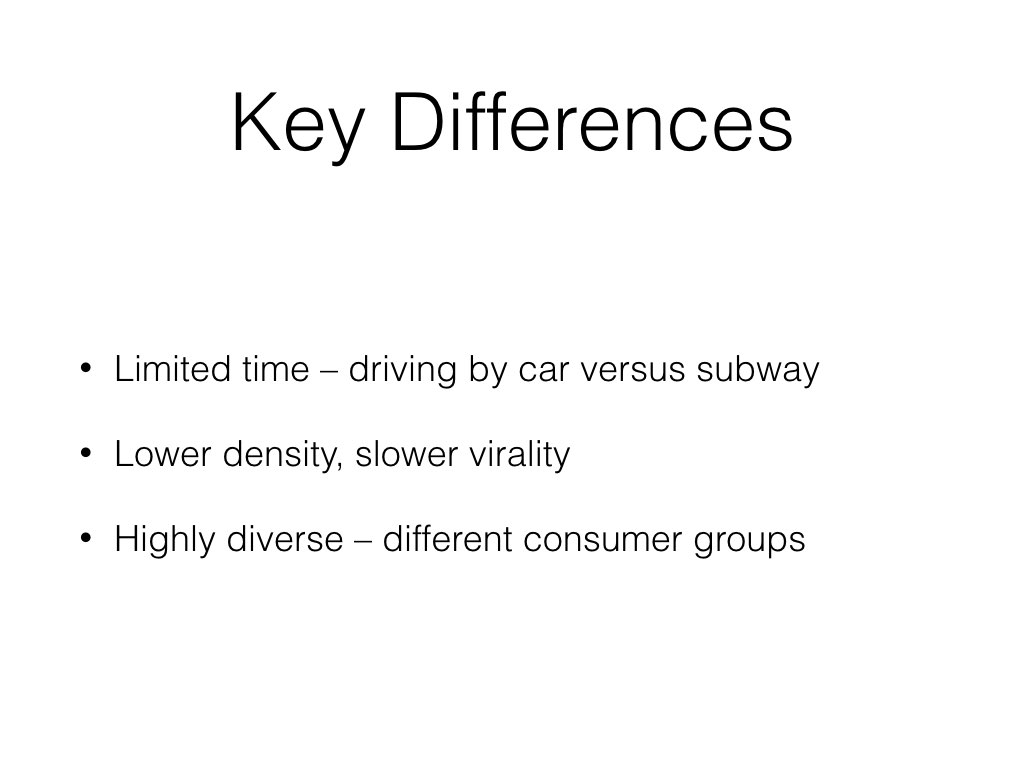
Key Differences
Limited time – driving by car versus subway
Lower density, slower virality
Highly diverse – different consumer groups
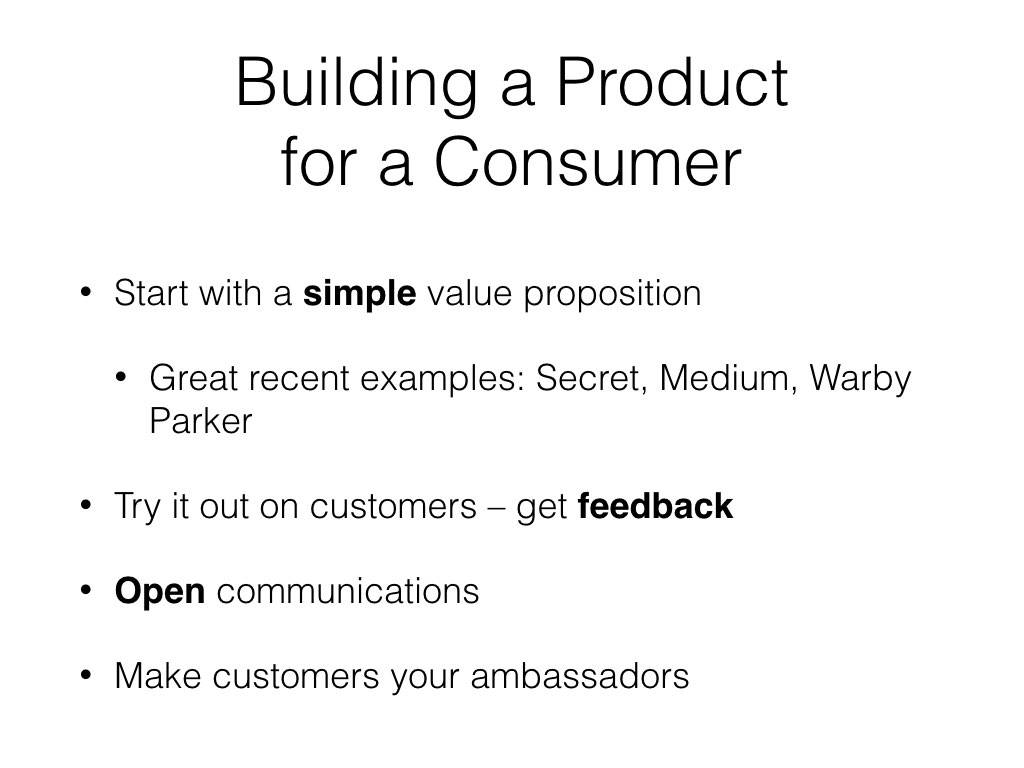
Building a Product
for a Consumer
Start with a simple value proposition
Great recent examples: Secret, Medium, Warby Parker
Try it out on customers – get feedback
Open communications
Make customers your ambassadors
For B2B
Incredibly challenging for those outside of US
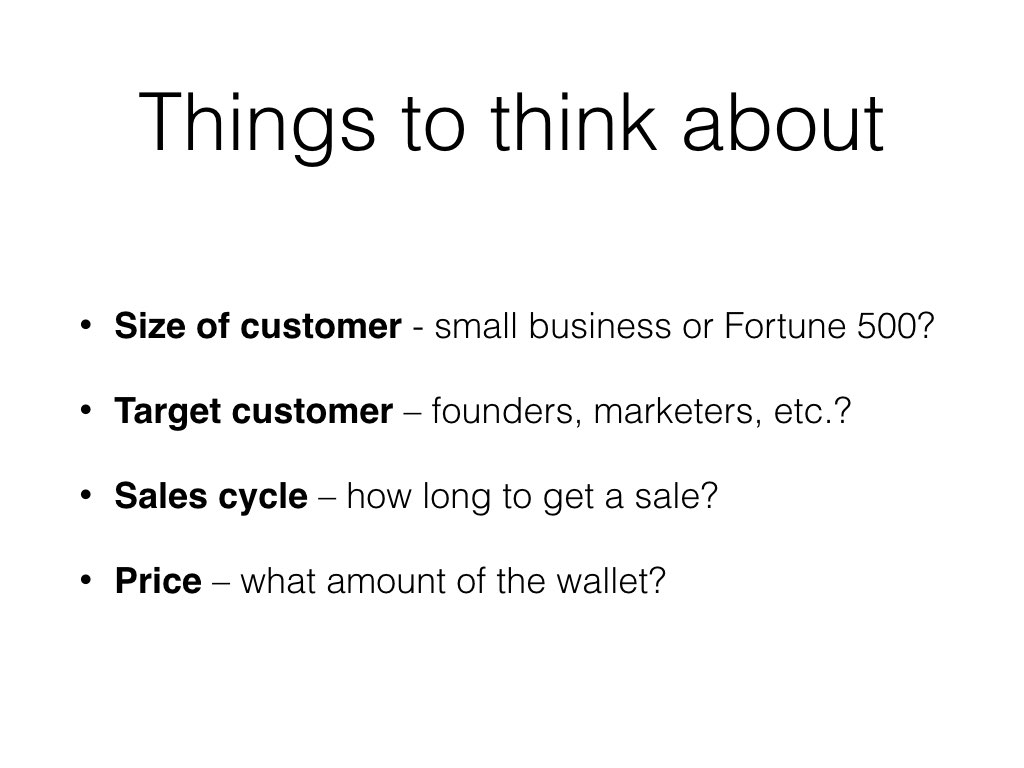
Things to think about
Size of customer - small business or Fortune 500?
Target customer – founders, marketers, etc.?
Sales cycle – how long to get a sale?
Price – what amount of the wallet?
Entering a Market
Metrics
Competitive Landscape/Market Maps
Customer Development
Metrics
In a popular story published in Dealbook, venture capitalist Marc Andreessen discussed his views on the popular virtual currency Bitcoin. The article is a good, decently level-headed discussion on the current Valley thinking about Bitcoin and its potential.
One thing that bothered me though was this line early on in the article: "What technology am I talking about? Personal computers in 1975, the Internet in 1993, and – I believe – Bitcoin in 2014."
References to these sorts of "revolutions" or "waves of technology" are always interesting to me as an on-and-off again historian of science and technology. Revolutions are never point events, but rather process events – they have significant antecedents and gestation periods, and their effects are often time-delayed.
Take the personal computer. It is actually really hard to point to exactly when the PC revolution took place. Was it the launch of a specific model, the development of a particular piece of software, or maybe a particular marketing campaign that made it take off? The answer, of course, is no. The PC developed over two decades (possibly more), and over the years, the hardware and software co-evolved, supporting each other in growth.
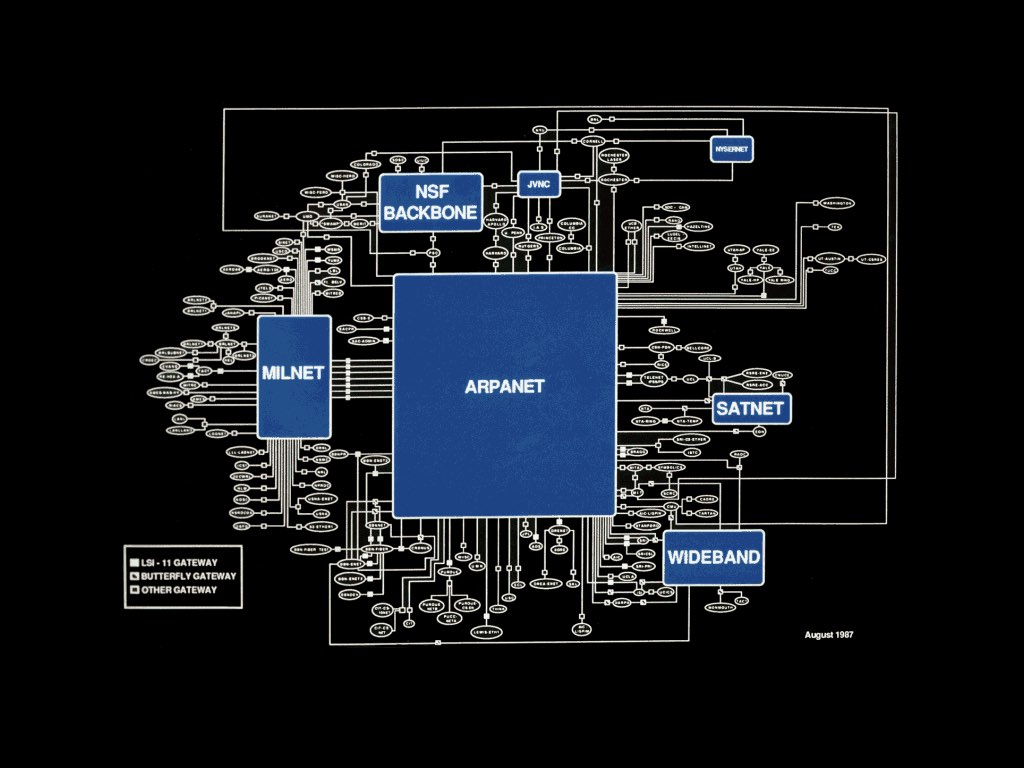
Now take the internet. The internet has been in existence since the 1960s, and email has been available since the early 1970s. Andreessen uses the year 1993 as his benchmark, but the National Science Foundation didn't even allow commerce on the internet until 1995. The internet is still evolving today, and it is almost two decades later.
Now, what about Bitcoin? Clearly, the currency has a huge opportunity given the number of digital transactions going across the web. The question I have is more mundane though – how much of an improvement does Bitcoin make over existing
There isn't too much to say about this unique sculpture sitting out here in South Korea. Other than the human jaws, I guess.
JAWS – Coming to a Theater Near You! Photo taken from 시사주간.
One plastic surgery clinic in Gangnam, in order to demonstrate its extensive patient list, received more than its share of marketing publicity after commissioning this scupture made from human jaws. Gangnam is a popular area for plastic surgery, and advertisements are nearly overwhelming when walking through its busy streets. Clinics are always looking to get one jawbone, er, leg up on the competition.
Police here in Seoul are investingating the clinic to determine if the clinic failed to properly dispose of any of the remains, a violation of the medical health laws.
Ironically, the fact that they have removed so many jaws doesn't really demonstrate their capability of building beautiful faces. After all, the fact that vampires drink blood doesn't make you an expert serologist, nor does getting a Communications degree from Stanford mean you can give post-game football interviews in any sort of fluent way.
Hi, I'm Danny. I'm Partner, Research at VC firm Lux Capital, where I publish the Securities newsletter and Riskgaming. I'm also a Fellow at the Manhattan Institute in New York.
Formerly, I was managing editor at TechCrunch and a venture capitalist at Charles River Ventures and General Catalyst.